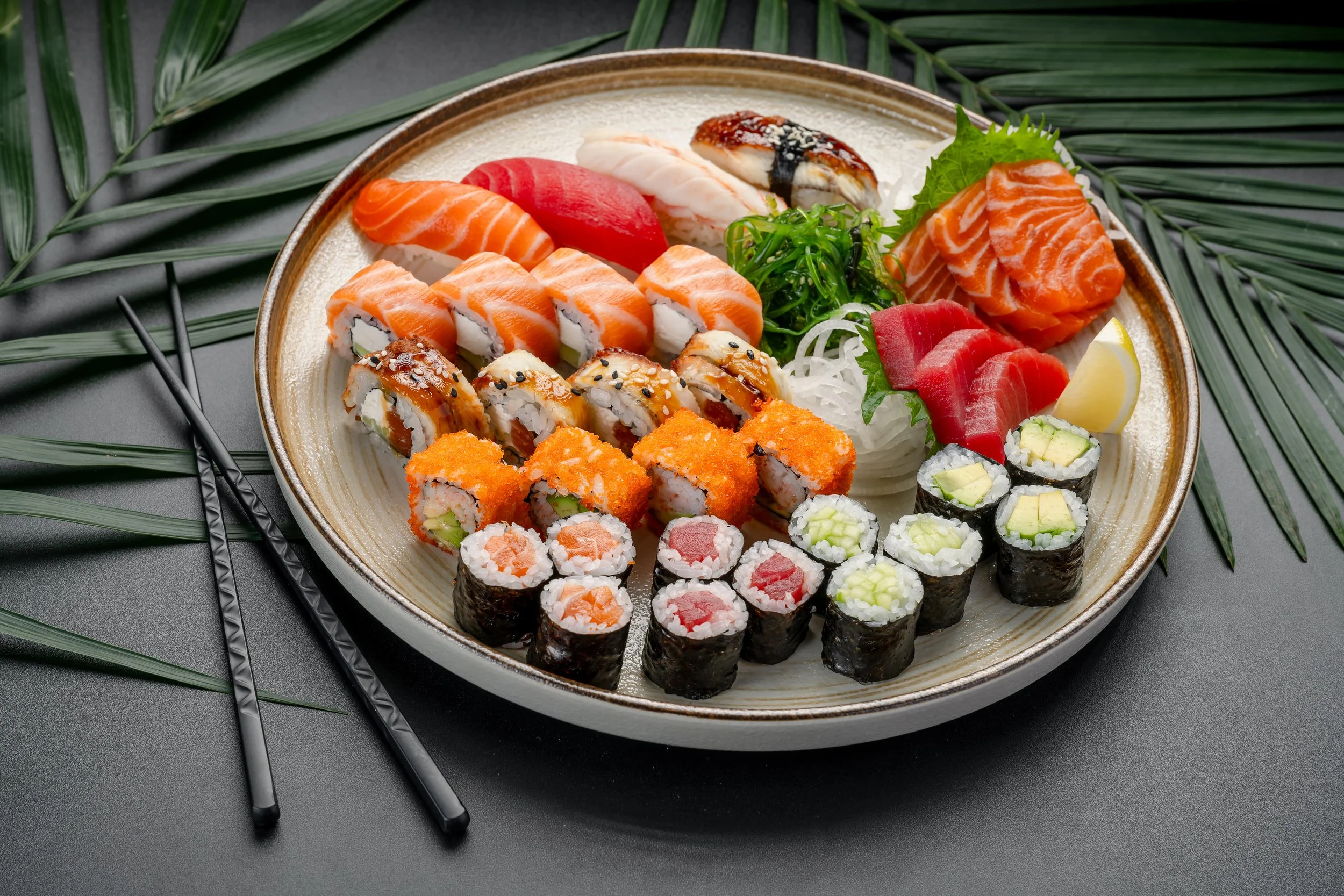
In Traditional Chinese Medicine (TCM), the consumption of raw foods is often discouraged, particularly for individuals with spleen deficiency, due to its perceived negative impact on digestive function and its potential connection to various health issues, including women's reproductive health conditions such as Polycystic Ovary Syndrome (PCOS). This perspective stems from the foundational TCM understanding of the Spleen and Stomach's crucial role in transforming and transporting nutrients, a process heavily reliant on "Yang Qi" or digestive fire.
The Spleen and Stomach are considered the "foundation of the five organs" and the "source of qi and blood biochemistry". Their primary functions are the reception and "ripening" (digestion) of food by the Stomach, and the subsequent transformation and transportation of nutrients and fluids by the Spleen. This transformative process requires warmth and energy, which is supplied by Spleen Yang. Raw and cold foods, by their very nature, are believed to be "cold" in energetic quality. When consumed, they necessitate a greater expenditure of the Spleen's Yang Qi to "warm up" and digest them. If the Spleen's Yang Qi is already weak or repeatedly overtaxed, its ability to transform and transport nutrients and fluids becomes impaired.
The pathological mechanisms linked to excessive raw food consumption and spleen dysfunction include:
Spleen Qi Deficiency (脾氣虛): Overconsumption of cold and raw foods can weaken the Spleen's Qi, leading to symptoms such as poor appetite, abdominal distension after eating, loose stools, and fatigue.
Cold-Dampness Encumbering the Spleen (寒濕困脾): When the Spleen's transformative function is compromised, fluids can accumulate and condense into dampness (湿) and phlegm (痰). Raw and cold foods can directly introduce cold and dampness into the digestive system, exacerbating this condition. Dampness is characterized by symptoms like abdominal fullness, nausea, heavy limbs, and a thick, greasy tongue coating.
The connection between spleen dysfunction, particularly cold-dampness, and women's reproductive issues like PCOS in TCM is significant. In TCM, dampness and phlegm are frequently identified as key pathological factors in various gynecological disorders. When the Spleen fails to properly transform and transport fluids, dampness can accumulate in the lower abdomen and reproductive organs. This accumulation can lead to:
Qi and Blood Stagnation: Dampness is heavy and obstructive. Its presence can impede the smooth flow of Qi and Blood within the uterus and ovaries, which is essential for normal menstrual cycles and ovulation. Stagnation can manifest as irregular periods, painful menstruation, and infertility.
Phlegm-Damp Obstruction: Prolonged dampness can congeal into phlegm. In the context of PCOS, phlegm-damp obstruction is often associated with the formation of cysts in the ovaries. This condition can interfere with follicular development and ovulation, contributing to the anovulation characteristic of PCOS. Symptoms often include obesity, excessive vaginal discharge, and menstrual irregularities.
Impaired Kidney Essence: The Spleen and Kidney have a close relationship in TCM. The Spleen generates Qi and Blood, which nourish the Kidney Essence (精), a vital substance for reproduction. A weakened Spleen can lead to insufficient Essence, further impacting ovarian function and fertility.
Clinical manifestations arising from spleen deficiency exacerbated by raw food intake, particularly relevant to women's issues, may include:
Digestive symptoms: Chronic indigestion, bloating, gas, loose stools, or alternating constipation and diarrhea
Fatigue and low energy: A weakened Spleen cannot adequately produce Qi and Blood, leading to systemic fatigue
Weight gain and edema: Dampness accumulation can contribute to fluid retention and weight gain
Menstrual irregularities: Irregular cycles, amenorrhea (absence of menstruation), or menorrhagia (heavy bleeding) due to disordered Qi and Blood flow or dampness obstruction
Infertility: As a direct consequence of anovulation and impaired reproductive organ function due to phlegm-dampness.
Therefore, in TCM, avoiding excessive raw and cold foods is a fundamental dietary recommendation to protect and strengthen Spleen Yang, thereby maintaining proper digestive function and preventing the accumulation of dampness and phlegm. This preventive measure is particularly emphasized for individuals with existing spleen deficiency or those susceptible to conditions like PCOS, where internal dampness and phlegm are considered significant pathogenic factors. The treatment principles for such conditions often involve invigorating the Spleen, resolving dampness, and regulating Qi and Blood, often through herbal medicine, acupuncture, and dietary adjustments that favor warm, cooked, and easily digestible foods.