Raah Acupuncture · Koreatown, Los Angeles

What we actually do
in the treatment room

Acupuncture is not one technique. It is a family of them, and the right combination depends entirely on what your body is doing. Here is the full range we draw from, and when each one earns its place.

Diagnosis first Nothing is applied by default. Every method below is chosen after we work out your pattern.
Usually combined A visit rarely uses one method alone — needling first, then cupping, moxa, or gua sha.
No surprises If anything sits outside your plan's coverage, we tell you the cost before we do it — never after.

Needling methods

Four systems, chosen by what your case calls for

These are complete diagnostic systems, not just different places to put a needle. Each one reads the body differently, and each is better at certain problems than the others.

Saam Acupuncture

Our primary system. A seventeenth-century Korean method that uses four to eight needles on the hands and feet to correct the organ pattern beneath your symptoms rather than the painful area itself.

More on Saam →

Master Tung's Acupuncture

A classical Chinese lineage known for how fast it moves acute pain. Points sit far from the complaint — often on the hand or lower leg — and relief is frequently noticeable before you leave the table.

Balance Method

Treats one side of the body through the other, and one limb through its mirror. Especially useful when the injured area is too acute to touch, or when you cannot lie in the position a local treatment would require.

Ear Acupuncture

The ear is the one place on the body where a branch of the vagus nerve reaches the skin, which is why a few points there can settle the whole nervous system. We use it for pain, anxiety, sleep, and craving.

How ear acupuncture works →

Trigger point & motor point needling

For a muscle locked in spasm, a needle placed directly into the trigger point produces a brief twitch and the muscle releases. It is a technique within acupuncture, performed here by a licensed acupuncturist — not the weekend-certificate version you may have read about.

Acupuncture vs. dry needling →

Traditional Chinese Medicine

The channel-and-organ framework most people picture when they think of acupuncture. It remains the common language underneath everything else, and for some presentations it is still the clearest way in.

Alongside the needles

What we add, and why

These rarely stand alone. They are what we reach for when the needles need support — to move blood, draw out cold, or free tissue that has stopped gliding.

Cupping

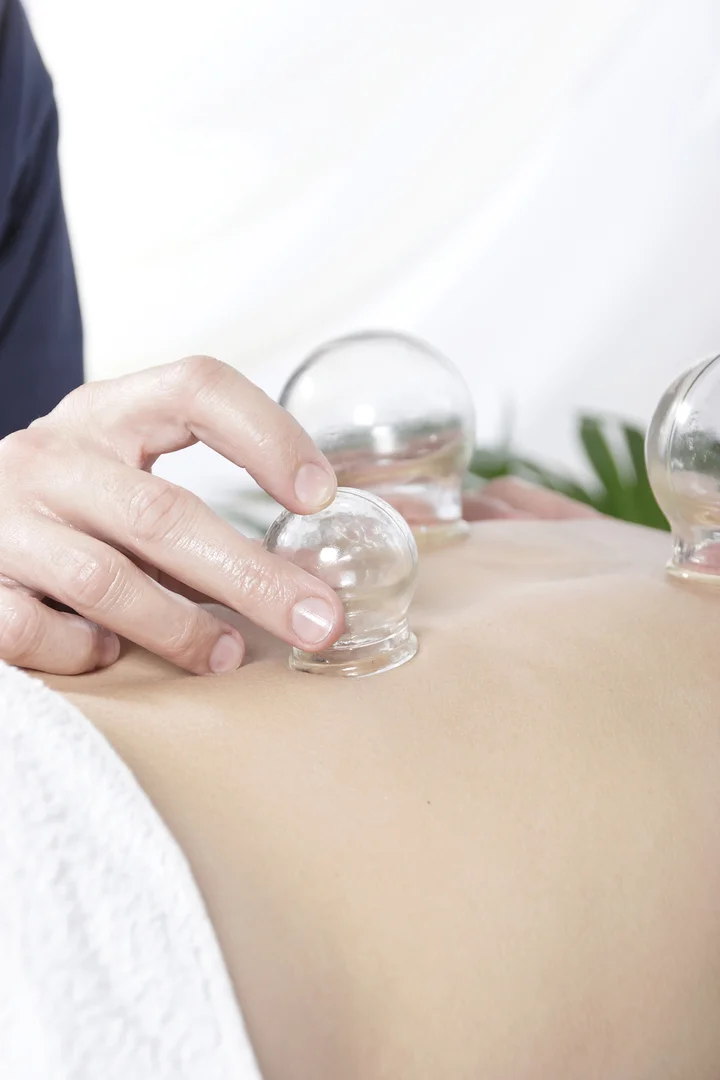
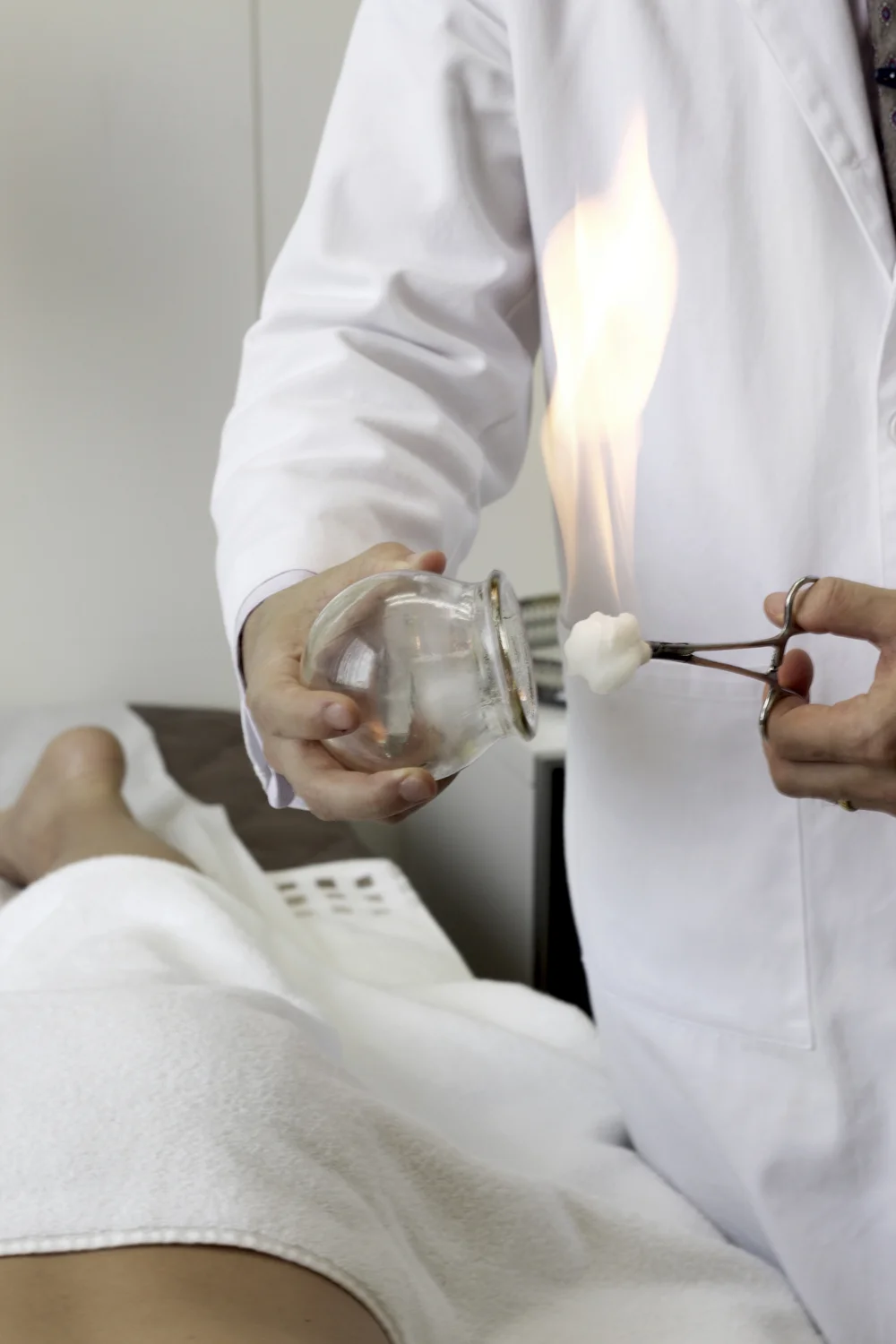
One of the oldest deep-tissue therapies there is, found in early Chinese, Egyptian, and Middle Eastern medicine. Glass cups are placed over acupuncture points or tight muscle and left for ten to fifteen minutes.

We usually recommend it at a first visit — not as a routine add-on, but because it reads the body. The colour and pattern the skin holds afterward shows where circulation is stagnant and how deep it runs, which sharpens the diagnosis we have just made by pulse and tongue.

Coverage varies. A number of plans do not include cupping, so if yours is one of them we will tell you what it costs before we do it. The treatment works without it — this is a recommendation, never a requirement.

On return visits we choose. Fire cupping again where stagnation is still the issue; gliding cupping — moving the cups across the back — where adhesions need breaking up and the nervous system needs settling; or gua sha or moxibustion instead, if your pattern has shifted toward something else.

Expect marks. They are not bruises in the injury sense, and they fade within about a week.
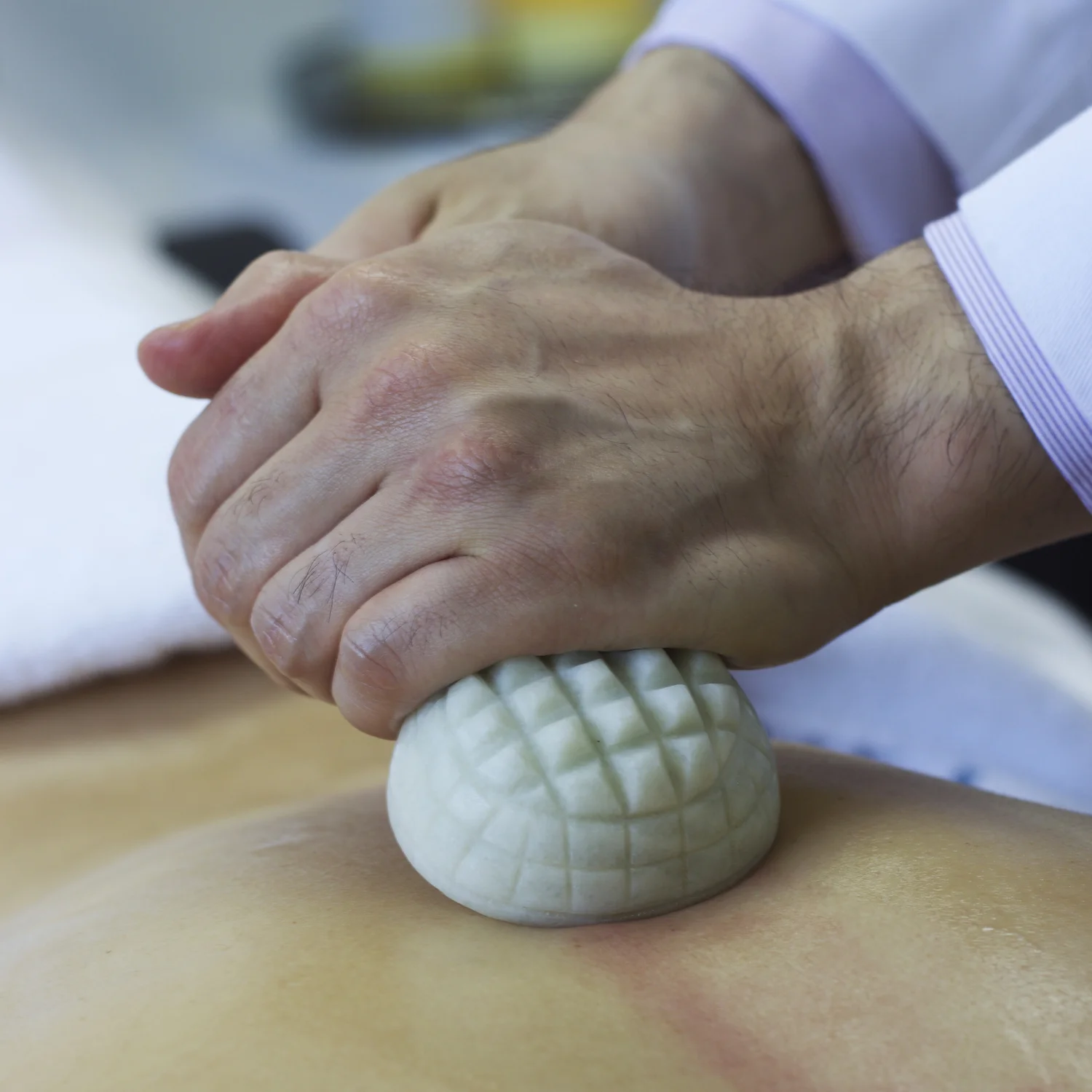
Heated stone work on the back at Raah Acupuncture, Koreatown Los Angeles

Moxibustion (쑥뜸)

Burning mugwort near or on a point to drive warmth into tissue that needles alone cannot reach. It is the treatment of choice for cold patterns — cold hands and feet, period pain that eases with a heating pad, an aching low back that worsens in winter. Patients who run cold often notice this more than anything else we do.

Moxibustion for a breech baby

This is one of the most common reasons people are referred to us. If your baby is still breech — bottom or feet down — in the third trimester, moxibustion is a well-established, non-invasive option that many midwives and obstetricians in Los Angeles are comfortable recommending alongside standard care.

The treatment is simple. A moxa stick is held near Zhiyin (至陰, 지음 · BL-67), a point at the outer corner of the little toenail, for roughly fifteen to twenty minutes on each foot. Most people feel the baby become noticeably more active during or shortly after a session. The working theory is that the warmth increases fetal movement and circulation to the uterus, giving the baby the activity it needs to turn on its own.

Timing matters more than anything else. The usual window is 33 to 35 weeks — early enough that there is still room to turn, late enough that the baby is unlikely to flip back. It can still be attempted later, but the odds fall as space runs out. If you have just been told your baby is breech, come in sooner rather than waiting.

A typical course runs daily for about ten days. We treat you in clinic and teach you or your partner to continue at home between visits, since consistency matters more than intensity here.

To be straight with you about the evidence: the 2023 Cochrane review found moderate-certainty evidence that moxibustion alongside usual care probably reduces the chance of the baby still being breech at birth. Evidence on whether it reduces the need for external cephalic version is uncertain, and it probably makes little difference to the cesarean rate. We treat it as worth trying early because it is low risk and the window closes quickly — not as a guarantee.

Please keep your OB or midwife informed, and let us know if you have placenta previa, are carrying multiples, have had previous uterine surgery, or have any pregnancy complication. Some situations call for us to hold off, and we would rather coordinate than guess.

Full guide: breech baby and moxibustion →

Gua Sha

Scraping the skin with a smooth-edged tool — jade, horn, or steel — to encourage lymphatic drainage and circulation. On the body it mobilises soft tissue, releases adhesions, and helps break down scar tissue. Applied to the face with a lighter hand it brightens the complexion and softens fine lines.

We use it for Bell's palsy, restricted movement, and as an addition to facial treatment.

Cosmetic & Facial Acupuncture

A non-surgical approach to fine lines, sagging, and dullness, working by increasing circulation and stimulating collagen rather than by paralysing muscle. We will be straight with you about the commitment: meaningful results take ten or more sessions, plus maintenance. We work alongside licensed estheticians on this.
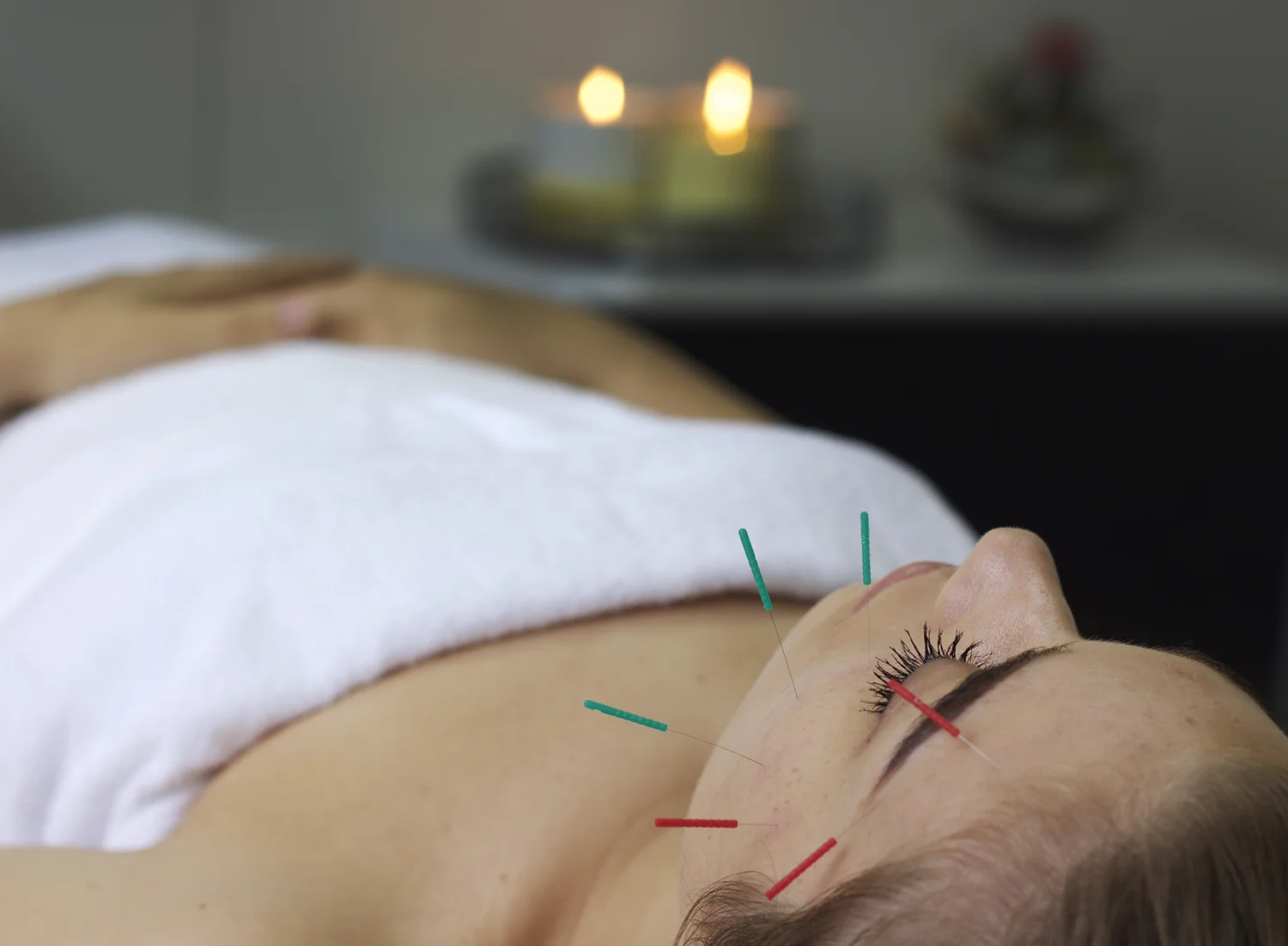
Cosmetic facial acupuncture treatment at Raah Acupuncture, Koreatown Los Angeles Facial treatments →
Raah Acupuncture

Herbal medicine

Formulas written for you, not pulled off a shelf

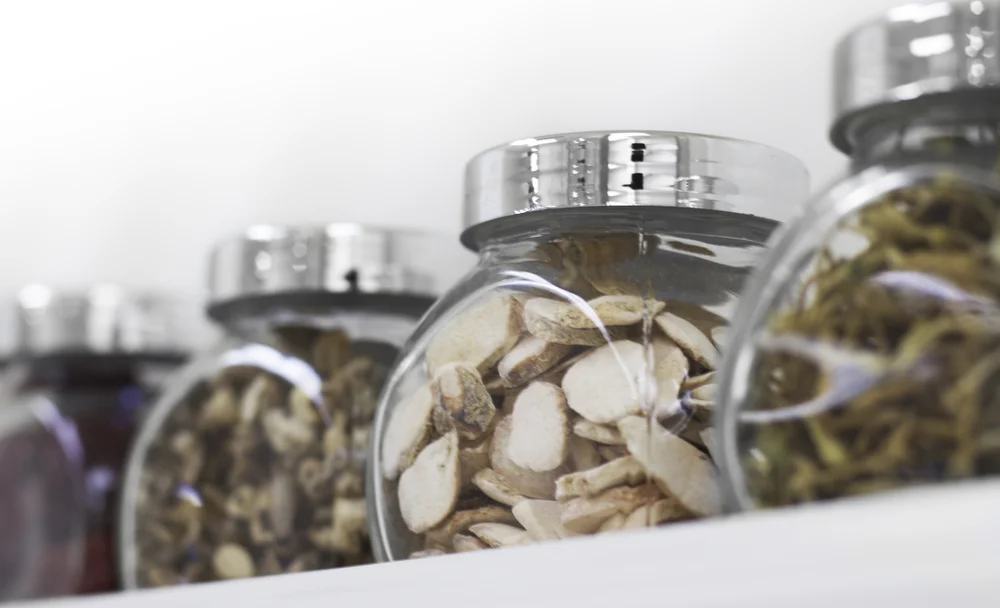
Acupuncture moves what is already there. Herbs rebuild what is missing. When your pattern involves genuine depletion — of blood, of warmth, of reserve — herbal medicine usually does the heavier work.

We source from Korean and American suppliers who lab-test for correct species identification and screen raw herbs for contaminants. Depending on your case we may prescribe a decoction, powder, or pill. Custom decoctions are made to order and take about two days to prepare.

Every formula we write traces back to the classical record — and we publish that record openly, translated from the original Korean.

Browse the formula reference

Putting it together

What a visit actually looks like

  1. First

    We work out the pattern

    Sleep, digestion, energy, temperature, cycle, stress — plus tongue and pulse. On a first visit this takes real time, which is why it runs ninety minutes.

  2. Then

    We choose the methods

    Needling as the foundation, with cupping, moxa, or gua sha where the pattern calls for it. We explain what we are doing, why, and what it costs if it falls outside your coverage.

  3. After

    From there it varies

    Return visits are built around what changed — cupping again, or gliding cupping, gua sha, or moxa instead, whichever your current pattern calls for. If herbs would speed things up we will say so, and if you need us less often we will say that too.

Not sure which of these applies to you?

That is what the first visit is for. Bring the problem — we will work out the method.

3407 W 6th Street, Suite 702 · Koreatown, Los Angeles · (323) 422-4964