
Knee Pain
When the joint swells and everything around it wastes
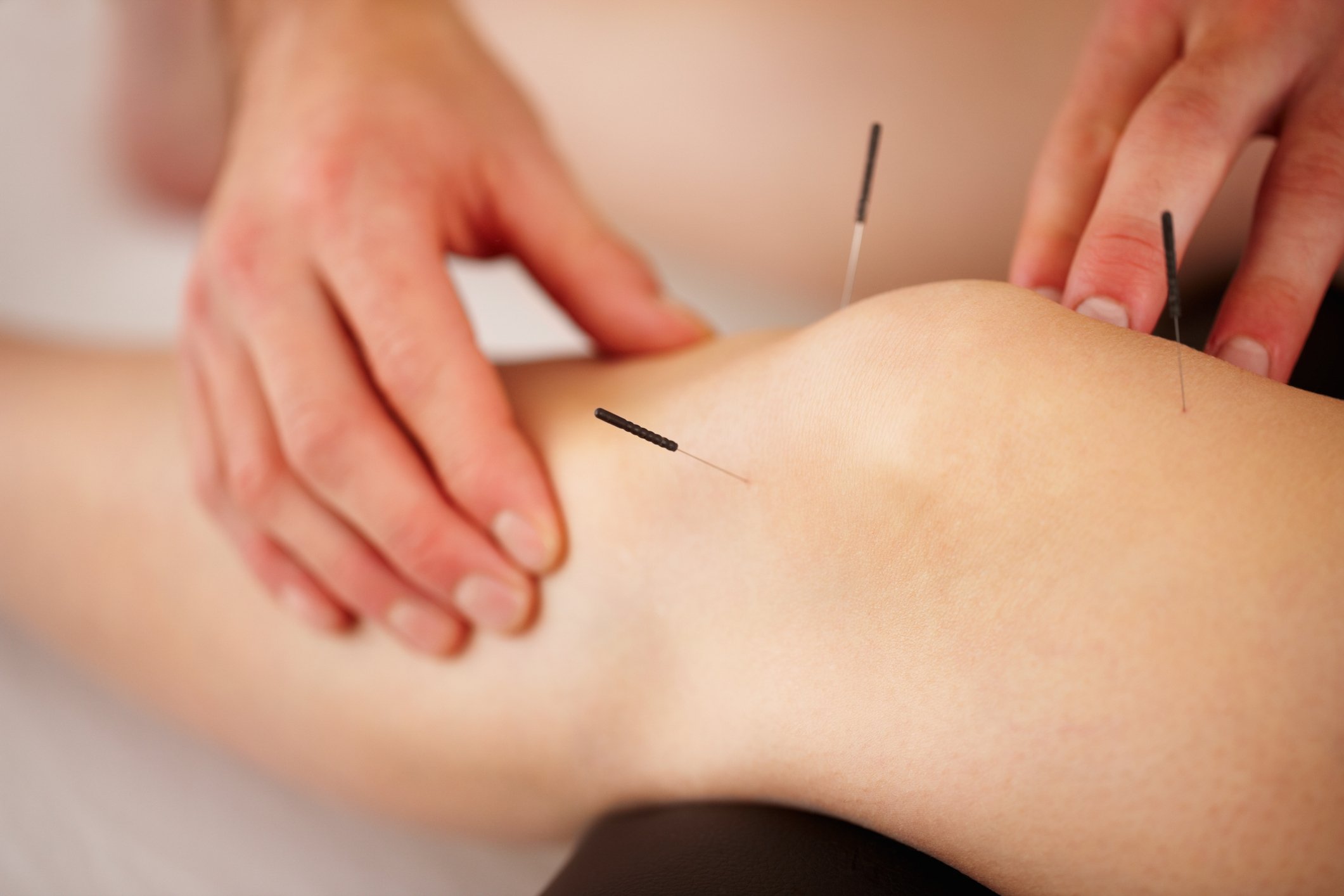
Most knee pain is mechanical and gets better. The presentation that worries a clinician is different: a knee that swells and stays swollen while the thigh above it and the calf below visibly thin.
Korean medicine has a name for that, and it is unforgettable once you have seen it. The 1613 *Donguibogam* calls it **학슬풍** (鶴膝風) — crane's-knee wind:
> Both knees swell large and painful while the thighs and shins wither and dry until only skin and bone remain, **like the joint of a crane's knee**, and one lies drawn up and cramped, unable to bend or stretch.
We translated the chapter in full: **[The Foot — full translated chapter](https://formulas.raahacupuncture.com/text/jok)**
## The observation worth keeping
The chapter notes something a modern rheumatologist would recognize under a different name: this presentation **follows dysentery.** The text calls the milder version 이풍 (痢風), dysentery wind — leg pain and weakness in the weeks after a gut infection.
Post-infectious arthritis is a real category. That a 1613 text linked a gut illness to a swollen knee, and named the sequence, is a genuinely good piece of observation.
The other cause it gives is depletion of the three foot Yin channels, with wind settling into the gap. In practice that describes the older patient whose knees fail first and whose legs then follow.
## How the treatment is built
The design of the main formula answers the paradox of the illness. The knee is inflamed and swollen; everything around it is wasting. So the treatment has to build and disperse at the same time.
[Daebangpung-tang 大防風湯](https://formulas.raahacupuncture.com/formulas/daebangpung-tang) does exactly that — of its fifteen ingredients, eight are tonics. The chapter's summary of what it does is worth quoting: it dispels wind and orders the Qi, quickens the blood vessels, and fortifies the sinews and bones.
Others on the shelf:
- [Gyeongheomibang-eum 經驗二防飮] — for the acute swollen knee, where the pain is described as being cut with a knife or bitten by a tiger
- [Changgwi-hwan 蒼龜丸] — for legs that keep getting thinner after illness
- [Dokhwalgisaeng-tang 獨活寄生湯] — the standard for chronic knee and leg pain on a depleted frame
## The points
The Foot chapter sorts knee pain by where on the knee it sits, which is how an examination actually proceeds:
- **Inner edge of the knee** — Seulgwan, LR3 Daechung, LR4 Jungbong
- **Outer edge** — GB43 Hyeopgye, GB33 Yanggwan, GB34 Yangneungcheon
- **Pain within the knee** — ST35 Dokbi
- **A swollen knee** — ST36 Samni, and LR2 Haenggan
The entry for a swollen knee specifies a fire needle at ST36 and says the swelling vanishes. That technique is not used the same way today, but the point selection has held.
## Please read this part
**Get urgent care if:** the knee is hot, red, and swollen with fever or feeling unwell; you cannot bear weight after an injury; or the joint locks or gives way.
A hot swollen knee is a medical emergency until proven otherwise — **septic arthritis destroys a joint within days** and needs aspiration and antibiotics, not acupuncture. Joint tuberculosis, which is very likely what much of the classical crane's-knee wind actually was, is entirely treatable when identified.
**Get evaluated before starting here if:** the swelling has persisted for weeks, several joints are involved, or you have unexplained weight loss or night pain.
Where the diagnosis is established — osteoarthritis, patellofemoral pain, a settled meniscal injury, an inflammatory arthritis already under a rheumatologist's care — this approach works alongside it, and the classical instinct to rebuild the wasted muscle while calming the joint matches what physical therapy aims at.
**This approach may help if you're dealing with:** knee pain that worsens with stairs or squatting · aching knees in cold or damp weather · stiffness after sitting · osteoarthritic knee pain · knee pain with visible thigh muscle loss · knee pain alongside rheumatology care.