
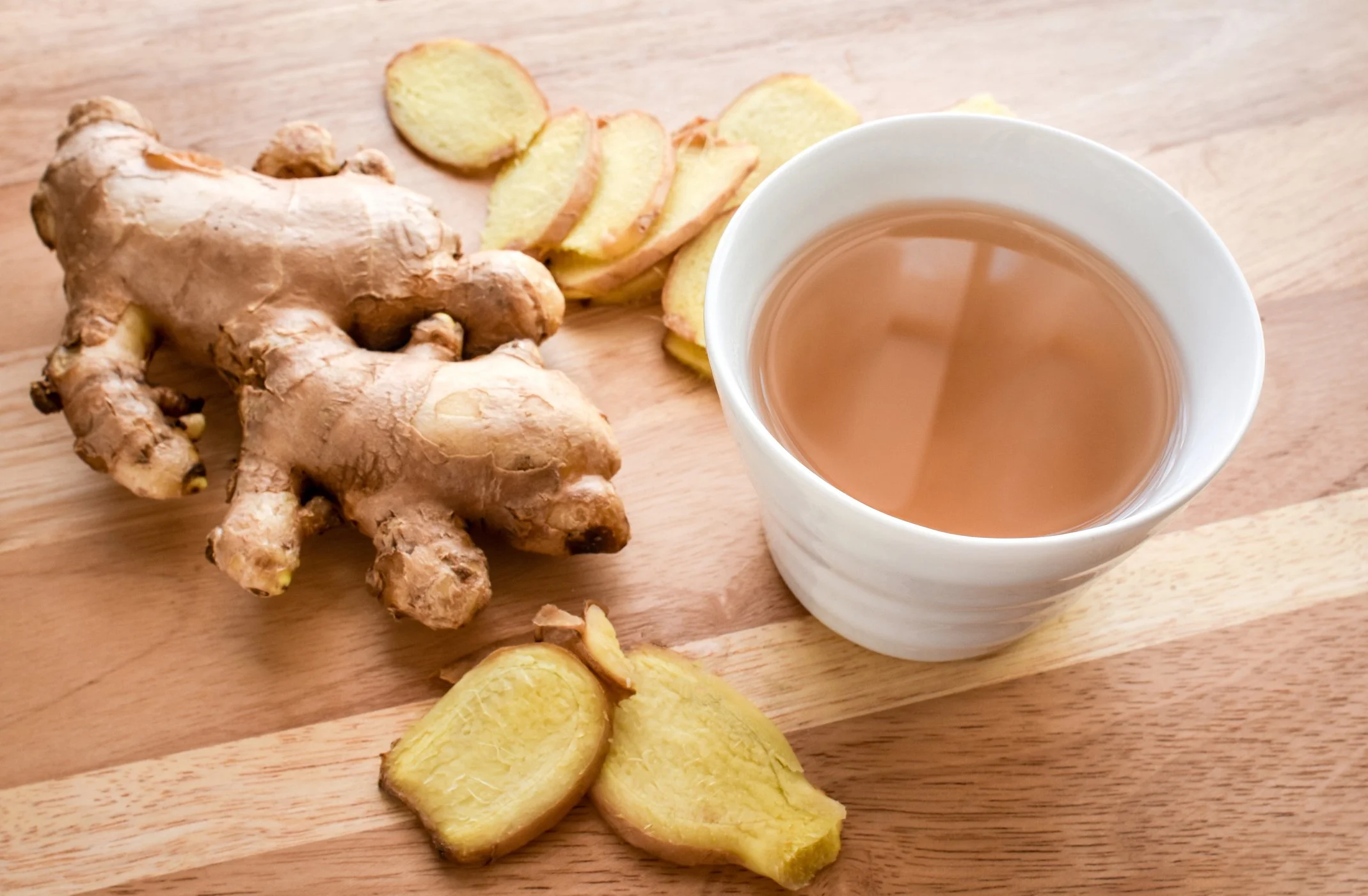
Ginger tea is one of those things everyone agrees is healthy. It settles the stomach, warms you up, eases a cold. Patients tell me they drink it every morning because they read it was good for them.
Some of them should stop.
Not because ginger is bad. Because it is warming, and some bodies already run warm. For those people, a daily cup of ginger tea is like turning up the heat in a room that is already too hot. They get dry mouth, a flushed face, restless sleep, skin flare-ups — and they never connect it to the tea, because the tea is "healthy."
Korean medicine has a framework for this that most people in Los Angeles have never heard of. It is called Sasang, and it says something simple: there is no such thing as a food that is good for everyone.
Four body types, four different answers
Sasang (四象) constitutional medicine was developed in Korea in the 1890s by a physician named Yi Je-ma. His observation was that people fall into four types, each defined by which organ systems run strong and which run weak, and that this balance shapes everything from body proportions to temperament to which foods restore you and which throw you off.
Take ginger. Here is how it rates for each of the four types, from the food guide we use in the clinic:
TaiYin (태음인) — strong liver, weak lungs. Ginger is helpful. This type tends toward stagnation and does well with anything warming and moving.
ShaoYin (소음인) — strong kidneys, weak spleen and stomach. Ginger is very helpful. This type runs cold with delicate digestion, and ginger is close to medicine for them.
ShaoYang (소양인) — strong spleen, weak kidneys. Ginger is very harmful. This type already carries internal heat; ginger adds to it.
TaiYang (태양인) — strong lungs, weak liver. Ginger is very harmful. Rising energy, easily overheated; warming spices make it worse.
Same tea. Two types thrive on it, two types should avoid it. And the two who should avoid it are exactly the people most likely to be drinking it, because they are the ones who feel warm and energetic and assume more of a good thing is better.
It isn't just ginger
Once you see the pattern, it shows up everywhere.
Pork is the best meat for a ShaoYang person — cooling, moistening, exactly what their heat needs. For a ShaoYin person it is one of the worst things on the list, sitting heavy in a cold, weak digestion.
Cold water is fine for the two warmer types and genuinely harmful for the two cooler ones. The ShaoYin patient who drinks ice water all day and can't understand why their digestion is always off — this is usually why.
Ginseng, the herb everyone associates with Korean medicine, is a tonic for ShaoYin and actively wrong for ShaoYang. This is why I wince when patients buy ginseng on their own. Half of them are buying it for the wrong body.
Barley tea, the default drink at every Korean restaurant, suits ShaoYang and is one of the least suitable grains for ShaoYin.
Generic nutrition advice cannot account for any of this, because it is written for an average person who does not exist. "Eat more leafy greens" is right for a TaiYang patient and wrong for a TaiYin one. "Drink ginger tea" is right for ShaoYin and wrong for ShaoYang.
Which type are you?
You can probably guess from the descriptions — and you would be right about half the time. The other half surprise themselves. The person who feels cold all the time is not always ShaoYin; the outgoing, fast-talking patient is not always ShaoYang. Temperament and symptoms overlap between types more than the descriptions suggest.
That is why I don't determine body type from a questionnaire alone. In clinic I look at three things: body structure (the relative development of shoulders, waist, hips, and lower legs, which is the most stable marker), pulse and tongue (each type has characteristic features), and how you respond to the first few treatments and to the foods you already know agree or disagree with you.
Once we know, the food list becomes specific. Not "eat clean" — this, not that, for your body.
What to do with this
If you drink ginger tea every day and feel great, keep going. You are probably one of the two types it suits.
If you drink it because you read it was healthy, and you also tend to run warm, get dry mouth, or flush easily — try two weeks without it. Some people notice the difference within days.
And if you want the whole picture — over a hundred foods, drinks, and habits rated for your type — that is what the members' 4 Body Types guide is for. Learn about the four types → or book a first visit and we'll work out yours.
Eui Young (Justin) Chung, L.Ac., Dipl. O.M. — Raah Acupuncture, Koreatown, Los Angeles