
**Category: Medication & Nutrition**
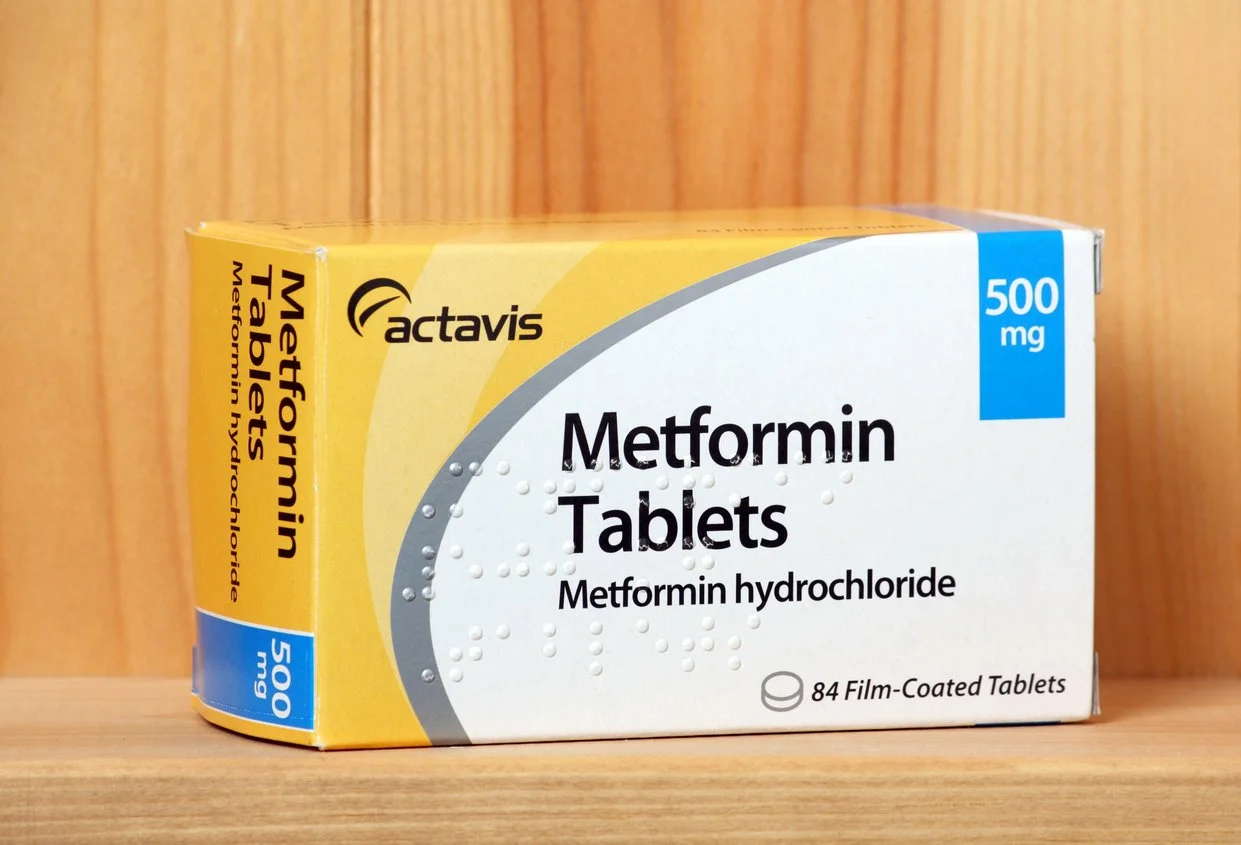
If you've been managing type 2 diabetes, there's a good chance metformin is part of your daily routine. It's one of the most widely prescribed medications in the world for a reason — it's effective, affordable, and has decades of research behind it. For most people, it's the first medication a doctor reaches for after a diabetes diagnosis.
But here's something that rarely comes up during a busy office visit: taking metformin over the long term can quietly lower your vitamin B12 levels. And because the symptoms of low B12 can look a lot like other things — fatigue, brain fog, tingling in the hands and feet — many people live with it for years without connecting the dots.
This isn't a reason to stop your medication. Metformin is a cornerstone of diabetes care, and you should never change how you take it without talking to your doctor. But it *is* a reason to be informed, so you can ask the right questions at your next appointment.
Why Does Metformin Affect Vitamin B12?
Vitamin B12 is absorbed in the last section of your small intestine, in a process that depends on calcium. Research suggests that metformin interferes with this calcium-dependent step, making it harder for your body to take in B12 from food over time.
The effect isn't immediate — it tends to build up over years of use. This is why B12 deficiency related to metformin is most common in people who have been taking it long-term, often at higher doses. Studies have found that a meaningful percentage of long-term metformin users develop low or borderline B12 levels.
Importantly, this connection is well established. The American Diabetes Association's own Standards of Care acknowledge that metformin can affect B12 levels and suggest periodic monitoring, especially for people with signs of deficiency or nerve-related symptoms.
Symptoms of Low B12 to Watch For
Vitamin B12 plays a central role in nerve function, red blood cell production, and energy metabolism. When levels drop, symptoms can develop slowly and be easy to dismiss:
- Persistent fatigue or weakness that rest doesn't fix
- Tingling, numbness, or a "pins and needles" feeling in the hands or feet
- Brain fog, poor concentration, or memory issues
- Mood changes, including low mood or irritability
- A sore, smooth, or swollen tongue
- Pale skin or shortness of breath
Here's an important overlap to be aware of: the nerve symptoms of B12 deficiency — the tingling and numbness in the extremities — can look almost identical to **diabetic neuropathy**. This means B12 deficiency in a diabetic patient can easily be mistaken for nerve damage from diabetes itself, and go uncorrected. If you're experiencing these symptoms, it's worth asking whether B12 could be a contributing factor.
How to Check Your Levels
The good news is that this is easy to check. A simple blood test can measure your B12 level. If you've been on metformin for several years, it's reasonable to ask your doctor whether checking your B12 makes sense for you — particularly if you have any of the symptoms above.
Some clinicians also check methylmalonic acid (MMA), a more sensitive marker that can catch a deficiency earlier than a standard B12 test, since standard tests sometimes read as "normal" even when tissue levels are low.
Your prescribing doctor is the right person to interpret these results and decide whether supplementation is appropriate for you.
Supporting Your B12 Through Food
While any supplementation decision should be made with your doctor, it's always worth knowing where B12 comes from in the diet. Vitamin B12 is found almost exclusively in animal-based foods:
- Shellfish, especially clams
- Fish such as salmon, sardines, and tuna
- Beef and liver
- Eggs and dairy products
This is especially important for anyone following a vegetarian or vegan diet, since plant foods contain virtually no active B12. If you're managing diabetes on a plant-based diet *and* taking metformin, you have two factors working in the same direction, and this is very much worth discussing with your healthcare provider.
A Korean Medicine Perspective
In our practice here in Koreatown, many patients come to us already managing diabetes with medication, looking for support with the symptoms that medication alone doesn't fully address — the persistent fatigue, the cold or tingling extremities, the sense of being depleted.
From a Korean medicine standpoint, these presentations often map onto patterns of qi and blood deficiency, where the body's capacity to nourish the limbs and generate energy has weakened. Acupuncture and appropriate herbal support can be used alongside conventional diabetes care to address circulation, energy, and overall vitality. We always work *with* your medical care, never in place of it — your endocrinologist or primary doctor manages your diabetes and your medication, and we complement that with a whole-body approach.
Frequently Asked Questions
**Should I stop taking metformin if I'm worried about B12?**
No. Metformin is an important and effective diabetes medication. The concern here is easily managed through monitoring and, if needed, supplementation — not by stopping the drug. Never change your medication without your doctor's guidance.
**How long does it take for metformin to affect B12?**
The effect typically develops over years of use rather than months, and is more likely with higher doses and longer duration.
**If my B12 is low, can I just take a supplement?**
Often yes, but the type, dose, and form should be guided by your doctor based on your test results and how well you absorb B12.
**Does this affect everyone who takes metformin?**
No — not everyone develops low B12. But because the risk is real and the check is simple, it's worth being aware of.
The Bottom Line
Metformin is a valuable medication, and this information isn't meant to worry you — it's meant to empower you. Long-term use can lower vitamin B12, and because the symptoms overlap with diabetic nerve issues, it often goes unnoticed. A simple blood test and a conversation with your doctor can make sure you're covered.
If you're managing diabetes as well as cholesterol, you may also be taking metformin — which carries its own nutrient consideration. We covered that in our guide to metformin and vitamin B12.
*This article is for educational purposes only and is not medical advice. Do not start, stop, or change any medication or supplement without consulting your prescribing physician or pharmacist.*
> **Want the complete picture?** This is one entry from our full **Medication & Nutrient Depletion Guide** — a member-exclusive resource covering the most commonly prescribed medications, the nutrients they can deplete, what to watch for, and how to support your body through food and Korean medicine. [Learn more about membership →](/membership)