
> **Companion piece:** If you're looking for the research evidence, how acupuncture works mechanically, and how many sessions to expect, that's covered in
[Acupuncture for Lower Back Pain: How It Works and How Many Sessions You Need]
This post is about something else: how to work out which *kind* of back pain you have before you walk into anyone's office.
---
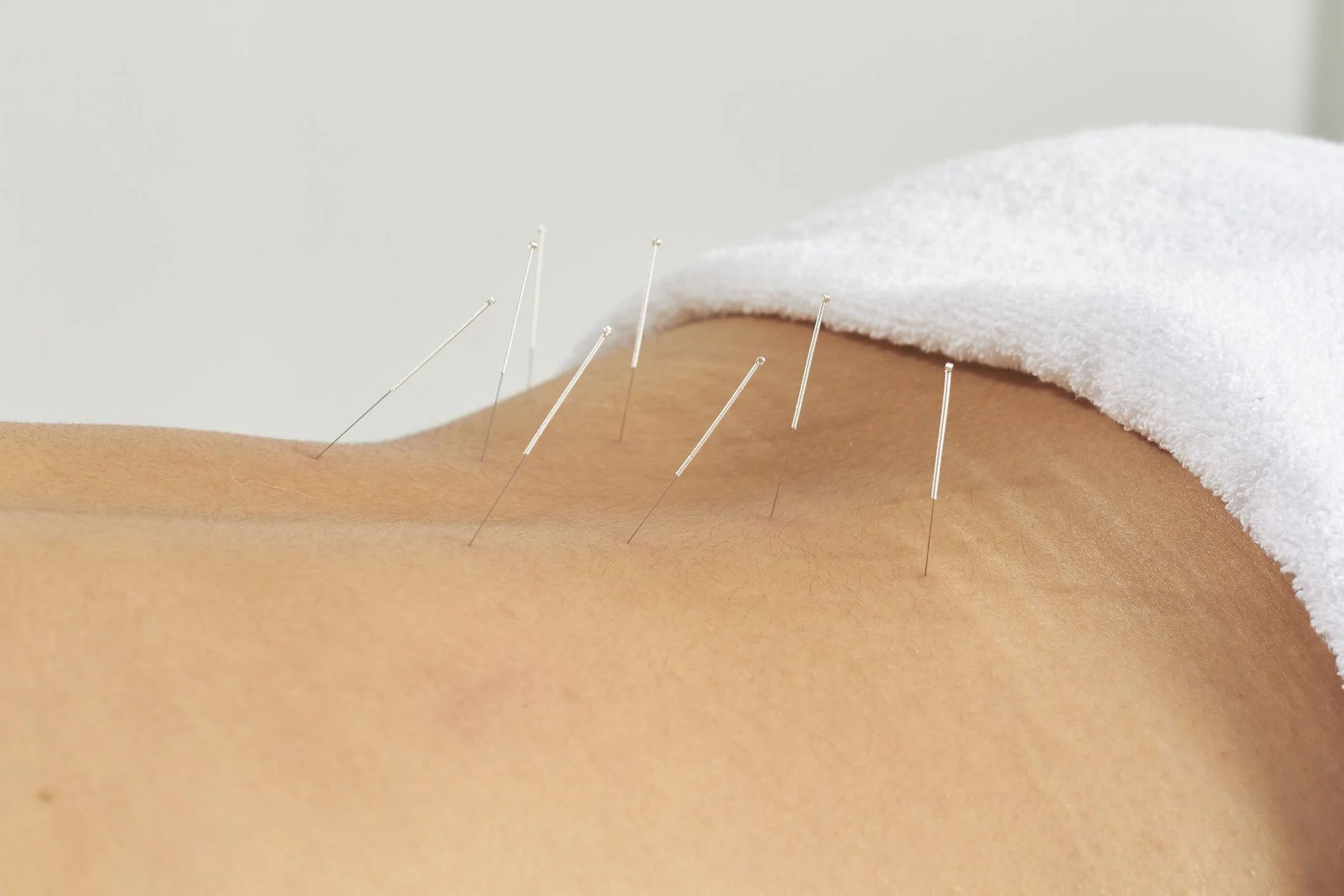
Every clinician asks where it hurts. Point to the spot, rate it out of ten.
Almost nobody asks when.
Worse at night, easier by day. Fine until two hours at a desk. Better with a heat pad, worse when it's damp. Sore on the left this week and the right the next.
Most people never mention any of this, because it doesn't seem like the kind of thing that would matter. A 1613 Korean medical text treats it as the entire diagnosis — and sorts low back pain into ten distinct kinds almost entirely on these grounds.
We translated that chapter in full: The Lumbus.
Four questions, and most of a differential
Here's the practical version. You can answer all four before your next appointment, and handing them to whoever treats you — physician, physical therapist, acupuncturist — shortens everyone's work.
1. When in the day is it worst?
Worse at night, easier by day — the text is exact: light by day and heavy by night, and on turning over, as though pierced by an awl. Read as stasis, something that stopped moving and stayed. Often traces back to an old injury the person has stopped connecting to it.
Constant, no flare and no ease — the aching that does not let up. Read as depletion, and usually in someone who's been running on empty for a while.
2. What brings it on?
Sitting — pain that breaks out after sitting a long while, or in overcast weather. Read as damp heat. The chapter adds a social note: in people who eat richly and move little, back pain is damp heat almost by default. The desk worker's back, named as its own category four centuries early.
Lifting — the acute wrench, which gets more formulas in this chapter than any kind except depletion.
3. Does temperature change it?
Warmth helps, cold brings it on — read as cold, and treated by warming rather than by moving. The remedy the text offers is a medicated plaster over the low back points. A heat patch, by another name, and among the oldest continuously used remedies anywhere.
Heavy rather than sharp — read as damp. The images are hard to improve on: heavy as a stone, cold as ice.
4. Does it stay put or move?
Shifts from side to side, no fixed place — read as wind, often with tension drawing down both legs. What identifies it is simply that it travels, which is exactly what stasis does not do.
That's six of the ten. The rest are sorted by pulse and constitution rather than by history — and one of them is the reason I wanted to write this.
The tenth kind
Nine of the ten are what you'd predict from a chapter on backs. The tenth is not:
> Whenever a person **loses their purpose**, the Heart Blood is not exuberant and does not nourish the sinews and vessels; the Qi stagnates and the lumbus pains, and one cannot stand long or walk far.
Not stress in general. A specific state — 失志, the will having gone out of someone. And it continues: worry and overthinking damage the Spleen and produce back pain; anger and indignation damage the Liver and produce back pain.
Here's the part that makes it more than a curiosity. The formula prescribed for this kind contains no back herbs at all — no eucommia, no psoralea, none of the six medicinals that appear on every other page of the chapter. Only aromatics that move Qi, and two of them aimed at the chest.
The reading is unambiguous: in this kind, the back is where the problem is felt, not where it is.
That's the same reasoning Korean medicine applies elsewhere — to bleeding after a reversal of fortune, to anxiety that follows lost status. Applied here to a musculoskeletal complaint, it names something patients often sense and rarely hear confirmed: a back hurts more in a bad season of life, and that isn't imagination.
Why sorting matters at all
One sentence organizes the whole chapter:
> Though external contraction and internal damage differ in a hundred ways, the Kidney must first be vacuous, and only then can an evil gather there.
Cold, damp, strain, and stasis can all start back pain — but none of them settle in a back that's sound. Whatever brought it on, there's usually a reason it stayed.
And that produces a warning the text states plainly: don't treat every back by clearing, and don't treat every back by supplementing Qi. Both are named as errors. The ground needs rebuilding, but Qi tonics don't do it — and clearing what has settled must not be done hard enough to empty the ground further.
Anyone who has cycled through anti-inflammatories, then supplements, then more anti-inflammatories will recognize the shape of that.
The line that has outlived everything around it
One pattern in the chapter gets a description that's been quoted for eighteen centuries — cold damp settled in the lumbar tissues, where the lumbus is as heavy as though five thousand cash were strung about the waist.
What makes it clinically sharp is what the same passage calls normal in this patient: no thirst, urine passing freely, appetite unchanged. Only the low back is heavy and cold.
That combination tells you the damp is lodged in the tissue around the organ rather than in it — and the formula, four herbs, doesn't touch the kidney at all. Anyone reaching for kidney tonics here has misread the case, which is precisely why the text takes the trouble to list what's normal.
What to do with this
You don't need to know which of the ten you have. But bringing the timing is free, and it's most of a four-hundred-year-old differential:
When in the day is it worst?
What position or activity brings it on?
Does temperature or weather change it?
Does it stay in one place or move?
And if the honest answer to "what makes it worse" is a hard month, say that too. In this tradition it's not an aside — it's a category.
Read more: Low Back Pain · Acupuncture for Lower Back Pain: research, mechanism, and session counts
---
Please read this part
Some back pain needs a physician first, not later.
Urgently: numbness in the groin or inner thighs, loss of bladder or bowel control, progressive leg weakness, or new severe pain after a fall.
Before starting here: fever with back pain, unexplained weight loss, night pain that wakes you from sleep, a history of cancer, or pain steadily worsening over weeks.
Note that night pain appears on both lists — as a classical sign of stasis, and as a modern red flag. The classical category is for when the red flags have been considered and excluded.
The 1613 chapter has its own version of this boundary, in a short section on inauspicious signs. Its specific signs belong to their era; the instinct behind them does not.
---
Frequently asked questions
Why is my back pain worse at night?
In this framework, night-worse pain points to stasis — something that stopped moving. In modern practice, pain that wakes you from sleep is also a red flag, particularly with fever, weight loss, or a cancer history. Get that ruled out, then the classical reading becomes useful.
Why does my back hurt after sitting but not when I walk?
The classical reading is damp heat, and the chapter names sitting specifically. In modern terms, sustained flexion loads the discs and posterior structures differently than walking does. Both agree on the advice: get up more often.
Why does my back hurt more when I'm stressed?
Muscle guarding and altered pain processing under stress are well described in modern pain science. Korean medicine gives it a whole category — and treats it with Qi-moving formulas rather than with anything aimed at the back.
Should I use heat or ice?
If warmth clearly helps and cold makes it worse, this tradition would say heat without hesitation. For an acute injury in the first day or two the picture differs. For chronic low back pain, heat is generally the safer default.
How many sessions will I need, and does the research support acupuncture for this?
Both are covered in detail in our companion post, including the clinical guidelines and what to expect for acute versus chronic pain.
---
Eui Young (Justin) Chung, L.Ac., Dipl. O.M. practices at Raah Acupuncture in Koreatown, Los Angeles, and is the translator of the ongoing English edition of the Donguibogam at formulas.raahacupuncture.com.