• Home
    • About Us
    • Conditions Treated
    • Testimonials
    • FAQ
    • Modalities
    • Saam Acupuncture
    • Dry Needling vs. Acupuncture
    • Facial Teatments
    • Packages
  • Herbal Formulas
    • Health Insurance
    • Personal Injury
    • Workers' Comp
    • Insurance Verification
    • Plans
    • Wellness App
    • Medication & Nutrient Guide
    • Virtual dispensary
    • organic raah natural care products
    • Products
    • Books
    • Music
  • Blog
  • Contact
  • Book
Menu

Raah Acupuncture Inc

3407 W 6th St ste 702
Los Angeles, CA, 90020
323∙422∙4964
Raah Acupuncture

Your Custom Text Here

Raah Acupuncture Inc

  • Home
  • About
    • About Us
    • Conditions Treated
    • Testimonials
  • What Is Acupuncture?
    • FAQ
    • Modalities
    • Saam Acupuncture
    • Dry Needling vs. Acupuncture
    • Facial Teatments
    • Packages
  • Herbal Formulas
  • Insurance
    • Health Insurance
    • Personal Injury
    • Workers' Comp
    • Insurance Verification
  • Membership
    • Plans
    • Wellness App
    • Medication & Nutrient Guide
    • Virtual dispensary
  • shop
    • organic raah natural care products
    • Products
    • Books
    • Music
  • Blog
  • Contact
  • Book

Blood Deficiency: What Your Vegan Diet May Be Missing — A Korean Medicine Perspective

July 1, 2026 Justin Chung

This post is written with a specific patient in mind — one we see regularly at our Koreatown clinic.

She is health-conscious, thoughtful about what she puts in her body, and deeply committed to her values. She eats well by every modern standard: organic vegetables, legumes, whole grains, plant-based proteins. She does not eat red meat — not because she cannot afford to, but because she loves animals and believes in a more compassionate relationship with the world around her. These are values worth respecting.

And yet she comes in exhausted. Her periods are scanty or late. Her hair is dry and falling out more than it used to. She gets dizzy when she stands up quickly. Her sleep is light and broken by vivid dreams. Her tongue is pale. Her pulse is thin and weak.

In Korean and Chinese medicine, this pattern has a clear name: blood deficiency (혈허, Hyeolheo).

And the honest clinical conversation we need to have — respectfully, without judgment — is this: plant-based diets, however carefully constructed, often do not provide sufficient nourishment for blood production in constitutionally susceptible individuals. In Korean medicine, this is not a moral judgment about dietary choices. It is a clinical observation about what the body needs.

What Is Blood in Korean Medicine?

Before we discuss deficiency, we need to understand what "blood" actually means in classical Korean and Chinese medicine — because it is not identical to the Western concept of blood.

In classical East Asian medicine, Blood (혈, Hyeol) is a dense, nourishing substance that:

  • Moistens and nourishes every tissue in the body — muscles, tendons, skin, hair, eyes, and nails

  • Houses the mind — specifically the Hun (혼, the ethereal soul associated with the Liver) and the Shen (신, the spirit associated with the Heart). When Blood is sufficient, the mind is calm, sleep is deep, and emotional life is stable. When Blood is deficient, the mind has nowhere to rest — producing anxiety, restlessness, and disturbed sleep filled with vivid dreams.

  • Governs menstruation — in women, the quality and quantity of menstrual blood directly reflects the state of Blood in the body

  • Nourishes sensory organs — particularly the eyes (Liver opens into the eyes), which depend on Liver Blood for sharp, comfortable vision

In the classical text Lingshu (영추), it is written: "The Stomach is in the Middle Burner... it receives Qi, secretes the dregs, evaporates the fluids, transforming them into a refined essence. This pours upwards towards the Lungs and is transformed into Blood."

This tells us something critically important: Blood is made from food. Specifically, from the refined essence (Gu Qi, 곡기) extracted from food by the Spleen and Stomach. If the food does not contain the raw materials the body needs to produce Blood — or if the Spleen and Stomach are too weak to extract them — Blood deficiency results.

The Qing dynasty physician Zhang Lu wrote: "If Jing is not depleted, it returns to the Liver to be transformed into Blood." This connects Blood production to the Kidneys and Liver as well — meaning that Blood deficiency is not just a dietary problem. It is also a constitutional one, influenced by genetics, overwork, reproductive history, and aging.

How Blood Is Made: The Three Sources

Understanding how the body produces Blood makes it easier to understand why certain lifestyles and diets predispose people to deficiency.

1. The Spleen and Stomach (Post-Heaven Qi) The primary source of Blood. The Spleen extracts the refined essence from food and sends it upward to the Lungs and Heart, where it is transformed into Blood. This process depends on:

  • Adequate raw materials in the diet — particularly dense, nourishing foods

  • A healthy, strong Spleen that can efficiently transform and transport

2. The Kidneys (Pre-Heaven Essence) The Kidneys store Jing (정, essence) — the fundamental constitutional substance inherited at birth and refined throughout life. Jing can transform into Blood via the Liver. This is why kidney-nourishing herbs are commonly included in blood-building formulas, and why blood deficiency tends to worsen with age, after childbirth, or after prolonged illness.

3. The Liver The Liver stores Blood and regulates its distribution throughout the body. Liver Blood deficiency is the most common form of blood deficiency seen clinically — particularly in women — because the Liver's stored Blood is the direct source of menstrual blood (Tian Gui, 천계).

Recognizing Blood Deficiency: The Symptoms

Blood deficiency presents differently depending on which organ system is most affected. In clinical practice, Liver Blood deficiency and Heart Blood deficiency are the most common — and they frequently occur together.

Liver Blood Deficiency (간혈허) The Liver nourishes the sinews, hair, eyes, and nails — and houses the Hun (ethereal soul) at night. When Liver Blood is deficient:

  • Muscle cramps, numbness, or tingling in the extremities

  • Dry, brittle, or thinning hair — hair loss

  • Blurred vision, floaters, or dry eyes

  • Dry and brittle nails

  • Insomnia with vivid or disturbing dreams (the Hun has no Blood to rest in at night)

  • Scanty periods, late periods, or absent periods (amenorrhea)

  • Pale or dull complexion

Heart Blood Deficiency (심혈허) The Heart governs Blood and houses the Shen (spirit). When Heart Blood is deficient:

  • Palpitations or awareness of the heartbeat

  • Insomnia — difficulty falling or staying asleep

  • Mild anxiety or emotional restlessness

  • Poor memory and difficulty concentrating

  • Dizziness

  • Pale, dull complexion

Spleen Blood Deficiency (비혈허) The Spleen is the source of Blood production. When Spleen function is impaired:

  • Poor appetite, bloating after eating

  • Fatigue and weakness

  • Loose stools

  • Thin body or difficulty maintaining weight

  • Pale lips

Tongue and pulse signs: In blood deficiency, the tongue is typically pale and slightly dry — sometimes thin, though this is less common because many patients with blood deficiency also have dampness that causes the tongue to appear swollen. The sides of the tongue (which reflect the Liver) are often paler than the rest. The pulse is thin (細, xi) or choppy (澁, se) — lacking the full, round quality of a well-nourished pulse.

The Vegan/Vegetarian Challenge: An Honest Clinical Conversation

Los Angeles has one of the highest concentrations of vegan and vegetarian residents in the United States. Plant-based eating is embedded in the culture here — and for many patients, it is non-negotiable.

We respect that completely. This is not an argument against veganism or vegetarianism. It is an honest clinical conversation about what we observe, consistently, in practice.

Why plant-based diets commonly contribute to blood deficiency:

Iron bioavailability. Plant foods contain non-heme iron, which is significantly less bioavailable than heme iron found in animal products — particularly red meat. The absorption rate of non-heme iron is 2–20%, compared to 15–35% for heme iron. Even a diet high in plant-based iron sources (lentils, spinach, tofu, fortified foods) may not provide sufficient absorbable iron for individuals with high demand — including menstruating women, pregnant women, athletes, and those with already-depleted stores.

Vitamin B12. Found almost exclusively in animal products, B12 is essential for red blood cell formation and neurological function. B12 deficiency produces anemia (megaloblastic), fatigue, neurological symptoms, and — in Korean medicine terms — symptoms that overlap substantially with Heart Blood deficiency and Kidney deficiency. Supplementation is essential for vegans, but absorption varies considerably between individuals.

Protein quality and amino acid profile. Blood production requires adequate protein. Plant proteins are generally less complete in essential amino acids than animal proteins, and many plant-based eaters do not consume sufficient total protein — particularly women who are also calorie-conscious.

Spleen function. In Korean medicine, cold, raw, and difficult-to-digest foods tax the Spleen — the organ most responsible for Blood production. Many plant-based diets are high in raw vegetables, cold smoothies, and fiber-rich foods that, while nutritious, can weaken Spleen function over time and actually reduce the efficiency of Blood production.

The Korean medicine perspective on meat: Classical Korean and Chinese medicine considers red meat — particularly beef, lamb, and organ meats — to be among the most direct Blood tonics available. In the Dongui Bogam (동의보감), the foundational text of Korean medicine, animal-derived foods including bone marrow, liver, and red meat are specifically listed for their blood-nourishing properties.

This does not mean vegans cannot be healthy or cannot build blood. It means that those who choose not to eat animal products need to work significantly harder — through diet, herbal medicine, and constitutional support — to maintain adequate blood.

What Can Be Done: The Korean Medicine Approach

The good news is that Korean medicine offers robust tools for treating blood deficiency that do not require dietary compromise — though dietary adjustments within a plant-based framework can make a meaningful difference.

Acupuncture

Acupuncture for blood deficiency focuses on strengthening the organs responsible for Blood production and distribution — primarily the Spleen, Heart, Liver, and Kidneys.

Saam Acupuncture (사암침법) approach to blood deficiency:

In Saam, blood deficiency is understood as a deficiency of the relevant organ's functional capacity. The treatment strategy depends on which organ is most involved:

  • Liver Blood deficiency — Saam treatment tonifies the Liver system using precise point combinations on the hands and feet that strengthen Liver function at the constitutional level. The classical Saam approach does not simply needle locally but corrects the underlying elemental imbalance that is preventing the Liver from storing and generating adequate Blood.

  • Heart Blood deficiency — Saam tonifies the Heart system, calming the Shen and rebuilding the Heart's capacity to govern Blood. Patients with palpitations, anxiety, and insomnia from Heart Blood deficiency often notice a shift in sleep quality within the first few sessions.

  • Spleen deficiency underlying blood deficiency — Saam strengthens Earth (Spleen-Stomach) to improve the production of Gu Qi — the raw material from which Blood is made. This is particularly important in vegan and vegetarian patients whose digestive systems may be struggling to extract sufficient nourishment from plant-based foods.

Key acupuncture points commonly used:

  • ST 36 (족삼리, Joksamni) — One of the most important points for building qi and blood. Strengthens the Spleen and Stomach, the source of Blood production. A foundational point in any blood-nourishing protocol.

  • SP 6 (삼음교, Sameuingyo) — The meeting point of the three yin channels of the leg (Spleen, Liver, Kidney). Tonifies Blood, nourishes yin, calms the mind, and regulates menstruation. One of the most versatile and important points for women's health.

  • BL 17 (격수, Gyeonksu) — The influential point for Blood (혈회). Directly nourishes and invigorates Blood throughout the body.

  • BL 18 (간수, Gansu) — The back-shu point of the Liver. Nourishes Liver Blood, benefits the eyes, and supports the Liver's storage function.

  • BL 20 (비수, Bisu) — The back-shu point of the Spleen. Strengthens Spleen function and Blood production.

  • HT 7 (신문, Sinmun) — The source point of the Heart. Calms the Shen, addresses palpitations, insomnia, and anxiety from Heart Blood deficiency.

  • PC 6 (내관, Naegwan) — Opens the chest, calms the Heart, and addresses anxiety and palpitations.

  • LV 8 (곡천, Gokcheon) — The water point of the Liver channel. Tonifies Liver Blood and yin, benefits the sinews, and nourishes the lower body.

  • KD 3 (태계, Taegye) — The source point of the Kidney. Nourishes Kidney essence, which transforms into Blood through the Liver.

Herbal Medicine

Classical Korean and Chinese herbal medicine offers some of the most effective blood-building formulas available anywhere in medicine. For vegan and vegetarian patients with blood deficiency, herbal medicine is often the most important intervention — compensating for what the diet cannot provide.

Samul-tang (四物湯, Four Substance Decoction) The foundational blood-nourishing formula of East Asian medicine — used for over a thousand years. Contains four herbs that together nourish, invigorate, and regulate Blood:

  • 숙지황 (Shu Di Huang / Prepared Rehmannia) — Deeply nourishes Blood and Kidney essence

  • 당귀 (Dang Gui / Chinese Angelica) — Nourishes and invigorates Blood, regulates menstruation

  • 백작약 (Bai Shao / White Peony) — Nourishes Liver Blood, calms the Liver, relieves cramping

  • 천궁 (Chuan Xiong / Cnidium Rhizome) — Invigorates Blood and qi, prevents stagnation

Samul-tang is the base formula from which many women's health formulas are derived. Seasonal modifications are applied classically: double Cnidium in spring, Peony in summer, Rehmannia in autumn, and Angelica in winter.

Ssanghwa-tang (雙和湯) A beloved Korean formula that nourishes both qi and blood simultaneously. Widely used in Korea for fatigue, blood deficiency, and recovery after illness or overwork. A natural first choice for the exhausted vegan patient who needs gentle, sustained rebuilding.

Guibi-tang (歸脾湯, Restore the Spleen Decoction) For patients whose blood deficiency is rooted in Spleen deficiency combined with Heart Blood deficiency — the most common pattern in women who overwork, overthink, and do not eat enough nourishing food. Addresses palpitations, insomnia, poor memory, anxiety, and fatigue simultaneously. Particularly appropriate for vegan patients whose Spleen function has been weakened by cold, raw foods.

Yukmijihwang-tang (六味地黃湯) For patients with combined Liver and Kidney deficiency underlying Blood deficiency — particularly appropriate for older patients, those with significant menstrual irregularity, or anyone with signs of deeper constitutional depletion.

Nokyong-daebo-tang (녹용대보탕 / the Great Deer Antler Tonic) For patients with deep constitutional depletion — qi, blood, and yang all deficient. The most comprehensive restorative formula available. Note that deer antler velvet is an animal product — this formula is not suitable for strict vegans, but for vegetarians who are willing to use animal-derived medicine for therapeutic purposes, it is extraordinarily effective for severe, longstanding blood deficiency.

Dang Gui (당귀) — The Queen Herb for Blood Deficiency

No discussion of blood deficiency in Korean and classical East Asian medicine is complete without a dedicated section on Dang Gui (당귀, Angelica sinensis) — the single most important blood-nourishing herb in the entire classical pharmacopeia, and the herb most commonly prescribed for anemia, menstrual irregularity, and blood deficiency in women.

Dang Gui has been called "the female ginseng" — a description that captures both its importance and its particular affinity for women's health. It simultaneously nourishes Blood, invigorates Blood, and regulates menstruation — three functions that make it indispensable for virtually any presentation of blood deficiency.

Classical properties: sweet, acrid, warm. Enters the Heart, Liver, and Spleen channels.

Key herbal formulas containing Dang Gui:

당귀보혈탕 (Dang Gui Bu Xue Tang — Dang Gui Blood-Tonifying Decoction) The simplest and most direct blood-building formula. Contains only two herbs: Astragalus (황기) and Dang Gui in a 5:1 ratio. This deceptively simple formula powerfully generates Blood by first strongly tonifying qi — because in classical theory, qi is the commander of Blood and Blood is the mother of qi. When qi is strong, it drives Blood production. Used clinically for anemia, post-menstrual fatigue, postpartum blood loss, and general blood deficiency. An excellent starting formula for vegan patients who need sustained blood production support.

당귀작약산 (Dang Gui Shao Yao San — Dang Gui and Peony Powder) A classical formula from the Jinkui Yaolue (금궤요략) specifically designed for women with Blood deficiency accompanied by dampness and mild blood stagnation. Contains Dang Gui, Peony, Cnidium, Poria, Atractylodes, and Alisma. Addresses the very common pattern of Liver Blood deficiency with Spleen dampness — producing fatigue, bloating, scanty periods, abdominal cramping, and mild dizziness. Particularly relevant for vegan patients whose plant-heavy diets have simultaneously created Blood deficiency AND Spleen dampness.

당귀사역탕 (Dang Gui Si Ni Tang — Dang Gui Four Rebellious Decoction) For blood deficiency with cold extremities — hands and feet that never warm up despite adequate clothing. Nourishes Blood and warms the channels, driving yang qi to the extremities. This formula directly addresses one of the most common complaints of blood-deficient vegan patients in Los Angeles: chronic cold hands and feet that persist through Southern California's mild winters and even in summer air conditioning.

사물탕 가 당귀 (Samul-tang with enhanced Dang Gui) The classical Samul-tang already contains Dang Gui, but for patients with significant blood deficiency the Dang Gui dosage is often doubled or the formula modified with additional blood-nourishing or qi-tonifying herbs. Seasonal modifications as described by classical texts: double Dang Gui in winter to maximize its warming, blood-nourishing action.

팔진탕 / 팔물탕 (Pal Jin Tang / Palmul-tang — Eight Treasure Decoction) The combination of Samul-tang (four blood-nourishing herbs) plus Sagunja-tang (four qi-tonifying herbs), creating a comprehensive formula for dual qi and blood deficiency. Contains Dang Gui alongside Ginseng, Astragalus, Atractylodes, Poria, Rehmannia, Peony, and Cnidium. For the vegan patient who is exhausted at every level — not just blood-deficient but also qi-deficient — this formula addresses the full picture.

귀비탕 (Guibi-tang — Restore the Spleen Decoction) Contains Dang Gui alongside Ginseng, Astragalus, Atractylodes, Poria, Longan, Jujube, and other herbs. The primary formula for Heart Blood and Spleen qi deficiency together — addressing palpitations, insomnia, anxiety, poor memory, and fatigue from overwork and under-nourishment simultaneously. For the hard-working, emotionally conscientious vegan patient who is running on empty.

온경탕 (On-gyong-tang / Wen Jing Tang — Warm the Menses Decoction) A classical gynecological formula containing Dang Gui that addresses blood deficiency with cold uterus — manifesting as irregular or absent periods, lower abdominal coldness, dry lips, warm palms with cold lower body, and infertility. One of the most important formulas in classical women's medicine and frequently applicable to vegan patients with cold constitutions and menstrual irregularity.

Note for vegan patients: All of the above herbal formulas are plant-based. Dang Gui and the herbs in these formulas are entirely derived from plant roots — making them fully compatible with vegan values while providing the blood-nourishing support that diet alone may not achieve.

Dietary Adjustments Within a Plant-Based Framework

For patients who will not or cannot incorporate animal products, the following plant-based approaches can meaningfully support blood production — though they require consistent effort:

Iron-rich plant foods consumed with vitamin C:

  • Black beans, lentils, chickpeas

  • Tofu and tempeh (particularly iron-rich)

  • Pumpkin seeds, sesame seeds

  • Dark leafy greens — spinach, chard, kale

  • Dried apricots, figs, prunes

  • Blackstrap molasses

  • Beets (비트) — rich in iron, folate, and nitrates that improve blood circulation. In Korean medicine, red-colored foods have a natural affinity for the Heart and Blood. Roasted, juiced, or added to soups.

  • Raisins (건포도) — a concentrated source of iron and natural sugars that support blood production. Easy to add to oatmeal, salads, or eaten as a snack. Particularly useful for patients with poor appetite.

  • Dark chocolate (다크 초콜릿, 70% or higher) — an excellent plant-based source of copper, which is essential for iron metabolism and red blood cell formation. The body cannot properly absorb or utilize iron without adequate copper. A small daily serving (20–30g) of quality dark chocolate provides meaningful copper alongside iron and magnesium.

  • Always pair with vitamin C sources (citrus, bell pepper, tomato) to enhance non-heme iron absorption

Avoid iron inhibitors with meals:

  • Coffee and tea (including green tea) significantly reduce iron absorption — do not drink within an hour of meals

  • Calcium supplements — take separately from iron-rich meals

Blood-nourishing foods in Korean and Chinese medicine:

  • Black sesame seeds (흑임자) — deeply nourish Liver and Kidney, benefit hair and blood

  • Black beans (검은콩) — tonify Kidney and Liver, nourish Blood

  • Jujube dates (대추) — nourish Blood and calm the Heart Shen

  • Mulberries — nourish Liver Blood and yin

  • Longan fruit — nourishes Heart Blood, calms the mind

  • Lotus seeds — nourish the Heart and calm anxiety from Blood deficiency

  • Cooked beetroot — in Korean medicine, red-colored foods have affinity for the Heart and Blood

Cook your vegetables. This is perhaps the most important dietary advice for vegan patients with blood deficiency. Raw food taxes the Spleen — the organ most responsible for Blood production. Gently cooking or warming food makes it far easier for the Spleen to extract nourishment. Soups, stews, congee (죽), and warm cooked grains are infinitely better for blood-deficient patients than cold salads and smoothies.

B12 supplementation is non-negotiable for vegans. Methylcobalamin (the active form) is preferable to cyanocobalamin for better absorption. Regular blood testing to monitor B12, iron, ferritin, and folate levels is strongly recommended.

A Note on Values and Clinical Honesty

We work with many vegan and vegetarian patients in Los Angeles and we deeply respect the values that underlie those choices. A practice built on compassion for living beings is not something to argue against.

What we ask of our patients is this: approach your body with the same compassion you extend to animals. Blood deficiency is not a minor inconvenience — it affects your mental clarity, your emotional stability, your sleep, your reproductive health, and your long-term vitality. Ignoring it because addressing it feels philosophically uncomfortable does not serve you or the values you hold.

Classical Korean medicine offers a path that honors both your values and your body's needs. Herbal medicine, acupuncture, and thoughtful dietary adjustment within a plant-based framework can meaningfully address blood deficiency — even without eating red meat. But it requires honesty about what is happening, commitment to treatment, and willingness to nourish yourself as seriously as you nourish your beliefs.

Frequently Asked Questions

Can I build Blood without eating meat? Yes — but it requires significantly more effort and usually the support of herbal medicine. Plant-based iron is less bioavailable, B12 is absent from plant foods entirely, and many plant-based diets inadvertently weaken Spleen function. Herbal formulas like Samul-tang, Guibi-tang, and Ssanghwa-tang can substantially compensate — but they work best alongside a conscious dietary effort within your plant-based framework.

How do I know if I have blood deficiency? Common signs include fatigue, pale complexion, dry hair, brittle nails, blurred vision, light or absent periods, insomnia with vivid dreams, dizziness when standing, palpitations, poor memory, and mild anxiety. A pale tongue and thin pulse are the classic diagnostic signs in Korean medicine. A blood test showing low ferritin, iron, or B12 is also consistent with blood deficiency — though normal blood tests do not rule out the Korean medicine pattern.

How long does it take to build Blood? Blood deficiency that has developed over years takes time to correct. Most patients begin to notice improvements in energy, sleep, and menstrual patterns within 4 to 8 weeks of consistent treatment with acupuncture and herbal medicine. Deeper constitutional rebuilding typically takes 3 to 6 months.

Is acupuncture alone enough for blood deficiency? Acupuncture is highly effective at strengthening the organs responsible for Blood production and addressing symptoms. But for significant blood deficiency — particularly in vegan and vegetarian patients — herbal medicine is usually essential. The two together produce much faster results than either alone.

I am pregnant and vegan — is blood deficiency dangerous? Pregnancy dramatically increases the body's demand for Blood. Blood deficiency during pregnancy is associated with poor fetal nourishment, fatigue, dizziness, and postpartum depletion. If you are pregnant and vegan, blood monitoring and herbal support are strongly recommended. Speak with both your OB and a licensed acupuncturist and herbalist to coordinate care.

Ready to Address Your Blood Deficiency?

At Raah Acupuncture in Koreatown, Los Angeles, we specialize in Saam Acupuncture and classical Korean herbal medicine for women's health, blood deficiency, and constitutional rebuilding. We formulate custom herbal decoctions tailored to each patient's individual pattern — working within your dietary values while giving your body what it needs to thrive.

We accept most major health insurance plans including Cigna, Blue Cross, Blue Shield, Kaiser, UnitedHealthCare, Health Net, and ASH Network. HSA and FSA cards accepted.

Call us at 323-422-4964, email contact@raahacupuncture.com, or visit raahacupuncture.com/contact to schedule your first consultation.

3407 West 6th Street, Suite 702 · Los Angeles, CA 90020 · Koreatown, Los Angeles

Raah Acupuncture Inc. is a licensed acupuncture and herbal medicine practice in Koreatown, Los Angeles. All treatments and herbal formulas are prescribed by a licensed acupuncturist and herbalist (L.Ac., Dipl. O.M.). This post is for educational purposes only and does not constitute medical advice. These statements have not been evaluated by the Food and Drug Administration.

Comment

What Your Urinary Patterns Are Telling You: A Korean Medicine Perspective
June 25, 2026 Justin Chung

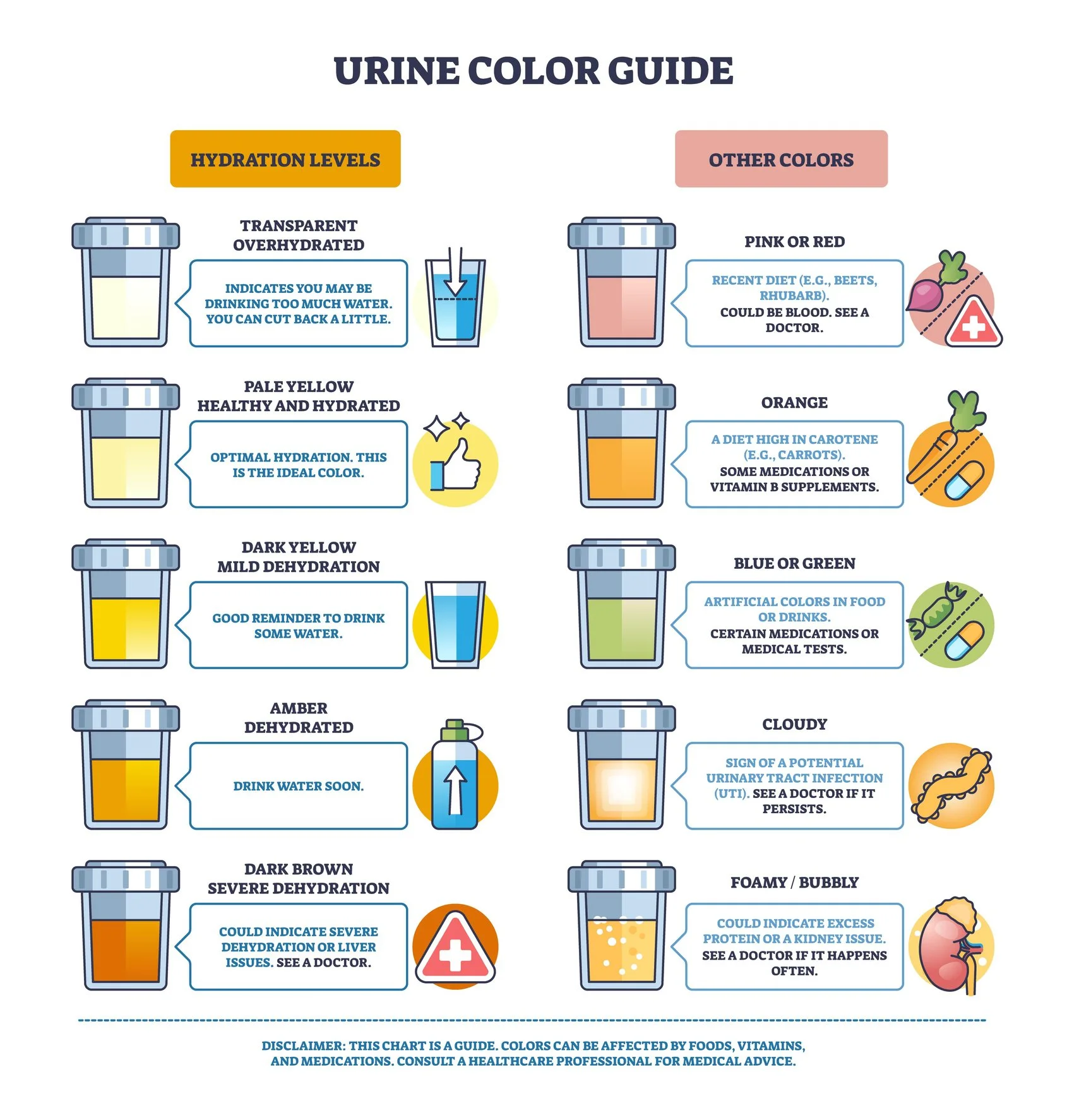
Here is something worth knowing: many patients who visit our clinic — particularly women — quietly slip away to use the restroom before or after their appointment. When asked directly about their urinary habits, a surprising number have no idea anything is wrong. They have simply normalized something that deserves attention.

So let's talk about urination — what is normal, what isn't, and what classical Korean medicine has to say about the patterns that fall in between.

What Is Normal Urination?

According to general medical guidelines, a healthy adult urinates approximately 5 to 7 times per day, with a total daily urine output of around 2,500cc (roughly 2.5 liters). Of course, this varies based on fluid intake, diet, and any underlying conditions or medications.

A few things that are often overlooked:

Caffeine matters. Coffee, tea, energy drinks, and sodas all increase urinary frequency. If you consume multiple caffeinated beverages daily and urinate frequently, the two are likely connected.

Medications affect output. Diuretics, certain blood pressure medications, and other pharmaceuticals can significantly alter urinary patterns. Always consider what you are taking.

Nighttime urination is not normal. Waking once or more during the night to urinate — a condition called nocturia — is not simply a sign of getting older. In Korean medicine, the body should consolidate fluids during sleep. Nocturia points to an underlying imbalance that deserves investigation, whether related to kidney function, sleep quality, fluid metabolism, or hormonal factors.

The classical Korean medical text Bangnyakhabpyeon (방약합편) — a comprehensive compendium of herbal formulas compiled in the late Joseon dynasty — categorizes urinary disorders into five distinct patterns. Each has a different root cause, and each calls for a different herbal approach. Understanding which pattern applies to you is the starting point for effective treatment.

The Five Urinary Patterns in Classical Korean Medicine

① Yo-bulli (尿不利) — Difficult or Incomplete Urination

What it looks like: Urine flows with difficulty. The stream may be weak, start-stop, or feel incomplete. The urine is often dark yellow or cloudy.

Root causes in Korean medicine: Bladder damp-heat (방광습열), lung heat congestion (폐열옹성), middle qi sinking (중기하함), liver qi stagnation (간울기체), decline of mingmen fire (명문화쇠), or urethral obstruction (요도폐색).

In plain terms: the body's heat and dampness have accumulated in the lower burner, impairing the bladder's ability to release urine smoothly. Think of it as a drainage system that has become obstructed by heat and inflammation.

Classical herbal formulas used:

  • Manjeon-moktong-tang (萬全木通湯) — For bladder heat causing difficult urination with yellow-colored urine. Clears heat from the bladder and promotes smooth flow.

  • Dojuk-san (導赤散) — For urinary difficulty caused by heat in the small intestine. When combined with Saryeong-san, it becomes "Ihyeol-tang," which addresses heat congestion in the upper stomach and mouth sores alongside urinary difficulty.

  • Cheongsim-yeonja-eum (淸心蓮子飮) — For red, burning urine accompanied by dry mouth, restlessness, and thirst. The pattern here involves heart fire rising upward while the lower burner struggles with heat-dampness.

  • Samul-tang (四物湯) — The foundational blood-nourishing formula. Used when blood heat or blood deficiency underlies the urinary difficulty. Seasonal modifications are applied: double the Cnidium rhizome in spring, Paeonia root in summer, Rehmannia in autumn, and Angelica root in winter.

② Yo-buttong (尿不通) — Complete Urinary Retention or Severe Obstruction

What it looks like: Urine does not flow at all, or comes out only drop by drop. This is more severe than simple difficulty — it represents significant obstruction or functional shutdown of the bladder.

Root causes: Accumulated heat in the bladder, qi and blood stagnation, phlegm obstruction, yin deficiency with fire, essence depletion, or — in the elderly — yang decline.

This pattern covers a spectrum of causes, which is why the classical texts offer numerous formulas depending on the specific underlying mechanism.

Classical herbal formulas used:

  • Paljeong-san (八正散) — For urinary retention caused by accumulated heat in the bladder. The primary formula for bladder inflammation, urethritis, and heat-type urinary blockage.

  • Yugong-san (禹功散) — Reserved for cases where other approaches have failed. A stronger formula for stubborn urinary retention.

  • Daebuncheongeom (大分淸飮) — For urinary obstruction with jaundice and blood in the urine — all caused by heat accumulation. Adding Artemisia (인진) is indicated when jaundice is present. A modified version called "Sobuncheongeom" removes certain herbs and addresses dampness blocking fluid metabolism.

  • Bojungikgi-tang (補中益氣湯) — For urinary obstruction rooted in middle qi deficiency and exhaustion. This is the formula for the patient whose retention comes not from heat but from a body too depleted to push fluids through. Used when overwork or poor diet has collapsed the center.

  • Jashinhwan (慈腎丸) — Specifically for urinary retention WITHOUT thirst — a key distinguishing feature. Made from Phellodendron, Anemarrhena, and cinnamon bark in powder form. The absence of thirst points to a cold-type obstruction rather than a heat pattern.

  • Palmul-tang (八物湯) — For dual qi and blood deficiency underlying urinary blockage. Also called "Paljin-tang." Used when the body lacks both the energy and the blood to support proper urinary function.

  • Jaeum-ganghwa-tang (滋陰降火湯) — For yin deficiency with fire rising: night sweats, afternoon fever, cough, blood-tinged sputum, and wasting. The fire pattern driving urinary difficulty here comes from the inside — depleted yin allowing heat to rise unchecked.

  • Palmiwon (八味元) — For kidney water deficiency and mingmen yang decline. The foundational formula for cold-type urinary retention in patients with depleted kidney essence — cold lower back, weak knees, fatigue, and frequent or difficult urination from constitutional depletion.

  • Yukmi-jihwang-won (六味地黃元) — For elderly patients with umbilical and lower abdominal cramping with urinary retention (노인전포), a pattern of kidney yin depletion.

  • Samchul-eum (蔘朮飮) — For urinary retention during pregnancy (임부전포). A specialized formula used when pregnancy itself is causing urinary obstruction.

③ Giheo-yosap (氣虛尿澁) — Qi Deficiency Causing Urinary Difficulty

What it looks like: Urination is sluggish, uncomfortable, or unsatisfying — but not completely blocked. The patient often feels a vague fullness or pressure in the lower abdomen. Fatigue, shortness of breath, and poor appetite are usually present alongside the urinary symptoms.

Root cause: Middle qi deficiency. The body simply lacks the energy to drive fluids through the urinary tract efficiently.

Classical herbal formula:

  • Bojungikgi-tang (補中益氣湯) — The master formula for middle qi deficiency. Lifts and consolidates the center, restoring the body's capacity to manage fluids. This formula addresses the underlying depletion rather than the urinary symptom directly.

④ Gwangyeok (關格) — Nausea with Urinary Retention (Upper and Lower Obstruction)

What it looks like: A severe pattern involving simultaneous nausea or vomiting (upper blockage) and inability to urinate (lower blockage). The body's fluids cannot move in either direction. This represents a serious disruption of the body's middle pivot.

Root cause: Phlegm obstructing the middle burner, or accumulated bladder heat creating a blockage that backs up throughout the system.

Classical herbal formulas:

  • Jichuk-ijin-tang (枳縮二陣湯) — The primary formula for gwangyeok pattern. Moves phlegm stagnation in the middle burner to restore the flow between upper and lower. Used specifically when phlegm is the underlying cause of the bidirectional blockage.

  • Paljeong-san (八正散) — When the obstruction is driven by bladder accumulated heat rather than phlegm.

⑤ Bulgeum (不禁) — Urinary Incontinence and Frequency

What it looks like: Urination that cannot be controlled — frequent, urgent, dribbling, or leaking. In severe cases the patient may urinate over 100 times per day. This pattern is also called "불금" — literally "cannot be restrained."

Root causes: Spleen-lung deficiency (비폐허) or liver-kidney deficiency (간신허). The organs responsible for holding and transforming fluids have become too weak to consolidate urine.

This pattern is extremely common in elderly patients, postpartum women, and anyone who has experienced prolonged depletion — and it is one of the most underdiagnosed conditions we see in clinical practice.

Classical herbal formulas:

  • Chukcheonhwan (縮泉丸) — The classic formula for bladder qi insufficiency causing extreme urinary frequency — documented in classical texts for patients urinating over 100 times per day. Warms the bladder and strengthens the qi to consolidate urine.

  • Samgi-tang (蔘芪湯) — For qi deficiency with urinary incontinence. Adding aconite (부자) adapts the formula for elderly patients with more significant yang decline.

  • Bojungikgi-tang (補中益氣湯) — Lifts the middle qi and consolidates prolapsed functions, including urinary leakage from qi sinking.

  • Yukmi-jihwang-tang (六味地黃湯) — For kidney yin deficiency underlying urinary frequency and incontinence.

  • Ijung-tang (理中湯) — For spleen-lung deficiency (비폐허): spontaneous diarrhea without thirst, cold signs, and general yang deficiency. Addresses the spleen's failure to transform and consolidate fluids.

  • Guibi-tang (歸脾湯) — For forgetfulness, palpitations, and anxiety from overwork damaging the heart and spleen (우사노상심비). Used when emotional and mental exhaustion is depleting the organs responsible for fluid consolidation.

  • Ugwi-eum (右歸飮) — For liver-kidney deficiency (간신허) with yang deficiency and yin excess. A warming formula for patients whose incontinence stems from deep constitutional decline — cold body, weak lower back, and impaired yang function.

  • Palmiwon (八味元) — For kidney water deficiency with yang decline. Warms the kidney yang, strengthens the lower back, and consolidates fluid metabolism in deficient patients.

Putting It All Together: Why Pattern Diagnosis Matters

What makes classical Korean medicine's approach to urinary disorders so distinctive is its refusal to treat the symptom in isolation. The same symptom — difficulty urinating — can arise from completely opposite root causes. One patient may have too much heat accumulating in the bladder. Another may have too little qi to push fluids through. A third may have yin deficiency allowing fire to rise from below. Each requires a completely different treatment.

This is why the same herbal formula will help one patient dramatically and do nothing for another — or why Western treatments for urinary symptoms often provide temporary relief without resolving the underlying pattern.

A few practical principles that classical texts and clinical experience reinforce:

Heat-type patterns (dark, burning, painful, urgent urination; thirst; dark tongue) — require heat-clearing, dampness-draining formulas like Paljeong-san or Dojuk-san.

Deficiency-type patterns (weak stream, fatigue, cold body, pale tongue, frequent nighttime urination) — require tonifying formulas like Palmiwon, Yukmi-jihwang-tang, or Bojungikgi-tang.

Mixed patterns (deficiency with some heat, or qi deficiency with dampness) — require compound formulas that address both dimensions simultaneously.

Emotional and mental factors — overwork, anxiety, and chronic stress (captured by formulas like Guibi-tang) genuinely deplete the organs responsible for urinary function. The connection between psychological stress and bladder dysfunction is not just modern medicine's discovery — it has been recognized in classical Korean medicine for centuries.

When to Seek Treatment

Consider a consultation if you experience any of the following:

  • Urinating more than 8 times per day without excessive fluid intake

  • Waking at night to urinate (even once regularly)

  • A weak, slow, or incomplete urine stream

  • Burning or discomfort during urination

  • Urgency that is difficult to control

  • Leaking with coughing, sneezing, or physical exertion

  • Lower abdominal fullness or pressure around the bladder

  • Urine that is consistently very dark yellow, cloudy, or blood-tinged

Any of these patterns can be addressed through classical Korean herbal medicine, often in combination with acupuncture. The goal is not to suppress the symptom but to identify and correct the root cause — so that the body can regulate itself without continued intervention.

At Raah Acupuncture

At Raah Acupuncture in Koreatown, Los Angeles, Justin Chung L.Ac. Dipl. O.M. (NCCAOM) is a California licensed acupuncturist and herbalist with graduate training in classical Korean and Chinese herbal medicine. Custom herbal decoctions are formulated specifically for each patient's individual pattern following a thorough consultation.

If you have been dealing with urinary symptoms that conventional approaches have not fully resolved, a classical herbal medicine consultation may offer the root-level treatment you have been looking for.

Call us at 323-422-4964, email contact@raahacupuncture.com, or visit raahacupuncture.com/contact to schedule a consultation.

3407 West 6th Street, Suite 702 · Los Angeles, CA 90020 · Koreatown, Los Angeles

This article references classical Korean herbal formulas from the Bangnyakhabpyeon (방약합편), a foundational compendium of East Asian herbal medicine. All herbal prescriptions at Raah Acupuncture are individualized and administered by a licensed acupuncturist and herbalist (L.Ac., Dipl. O.M.). This post is for educational purposes only and does not constitute medical advice. These statements have not been evaluated by the Food and Drug Administration.

Comment

Ear Acupuncture Explained: How a Few Points on Your Ear Can Affect Your Whole Body

June 18, 2026 Justin Chung


When most people think of acupuncture, they picture needles placed along the back, the neck, or the legs. Ear acupuncture — known in classical East Asian medicine as auricular acupuncture, or 이침 (ee-chim) in Korean — works differently. A few tiny points on the surface of your ear can produce profound effects throughout your entire body. No needles anywhere else required.

This might sound surprising. But once you understand the anatomy of the ear and its direct connection to your brain and nervous system, it makes complete sense.


Your Ear Is a Map of Your Entire Body

The foundational idea behind ear acupuncture is that the ear is a microsystem — a miniature reflection of the whole human body, scaled down approximately 1 to 25. Every organ, joint, and body region has a corresponding point on the ear. Stimulating that point influences the organ or area it represents.

This concept was documented in classical Chinese medicine as far back as 2,500 years ago in the Yellow Emperor's Classic (Huangdi Neijing). But the modern system of ear acupuncture as we know it was largely developed by a French neurologist, Dr. Paul Nogier, who began researching the ear's reflexive properties in 1957 after learning that certain ear points had been used to treat pain in African patients. His research led to the identification of active reflex points on the ear, which were later presented at an international WHO conference in Lyon, France in 1990. The result was a standardized map of 91 ear acupuncture points — now recognized worldwide.

If you look at the ear and turn it upside down, it resembles a curled fetus. The earlobe corresponds to the head and face. The antihelix (the curved ridge inside the outer rim) corresponds to the spine. The inner concha (the bowl-shaped cavity closest to the ear canal) corresponds to the internal organs of the chest and abdomen. The outer portions correspond to the limbs and extremities. This is not a metaphor — it is the structural logic underlying the entire system.


Why the Ear Works: The Vagus Nerve

The reason ear acupuncture can influence the whole body is not mystical — it is neurological. And the key is the vagus nerve.

The vagus nerve is the 10th of 12 cranial nerves and the longest, most widely distributed nerve in the body. It connects the brain to the throat, lungs, heart, stomach, intestines, and many other organs. It is responsible for regulating heart rate, blood pressure, breathing, digestion, immune function, and the body's stress response. And it makes up approximately 75% of the entire parasympathetic nervous system — the system responsible for rest, recovery, and healing.

Here is what makes the ear uniquely special: the ear is the only place in the human body where a branch of the vagus nerve reaches the surface of the skin. This branch — called the Auricular Branch of the Vagus Nerve (ABVN) — runs through the inner bowl of the ear (the cymba conchae). This means the ear provides direct external access to the vagus nerve itself.

When ear acupuncture points are stimulated — whether by needles, seeds, or pressure — the signal travels through the ABVN directly to the brainstem, bypassing the spinal cord entirely. Body acupuncture (needles placed on the arms, legs, or back) sends its signals through the peripheral nerves → spinal cord → brain. Ear acupuncture takes a direct route: ear → vagus nerve branch → brainstem → autonomic nervous system and brain.

This direct pathway is why ear acupuncture can produce rapid, systemic effects — often within minutes of needle placement. It is why a single point on the ear can calm anxiety, reduce pain, lower blood pressure, and improve digestion simultaneously.


What Happens When the Vagus Nerve Is Stimulated

Activating the vagus nerve through auricular acupuncture produces a range of clinically significant effects:

Pain relief. The vagus nerve activates the brain's own pain control mechanisms, reducing the intensity of chronic pain signals including migraine, fibromyalgia, and musculoskeletal pain.

Cardiovascular regulation. Vagus nerve stimulation improves heart rate variability (HRV), stabilizes blood pressure, and reduces the heart's overload — a measurable indicator of cardiovascular health.

Digestive improvement. The vagus nerve regulates peristalsis (gut movement) and digestive secretions, making ear acupuncture highly effective for functional digestive disorders including IBS, bloating, and acid reflux.

Emotional calming. Stimulating vagal pathways reduces anxiety, depression, and insomnia by shifting the body from sympathetic (fight-or-flight) to parasympathetic (rest-and-digest) dominance.

Anti-inflammatory effects. The vagus nerve activates what researchers call the cholinergic anti-inflammatory pathway — a biological mechanism that suppresses pro-inflammatory cytokines throughout the body. This is why ear acupuncture shows promise for autoimmune conditions and systemic inflammation.


Key Points You Should Know

Ear acupuncture uses a system of clearly mapped points. Here are some of the most clinically important ones:

Shen Men (神門) — The Gate of the Spirit One of the most widely used and powerful points in the entire ear. Located in the upper triangular fossa (the depression in the upper third of the ear), Shen Men calms the mind, reduces anxiety and stress, relieves pain, improves sleep, and amplifies the effects of every other ear point used alongside it. It is the starting point for many ear acupuncture protocols.

Point Zero (耳中) — The Master Homeostasis Point Located in the center of the ear, in the groove where the antihelix meets the ear canal opening. Point Zero is also called the vagus nerve point and corresponds to the body's geometric center of balance. It supports overall homeostasis — maintaining the balance of energy, hormones, and brain activity. It acts as a reset button, helping the body return to its natural equilibrium.

Sympathetic Point (交感) Located at the junction of the lower antihelix crus and the inner antihelix. This point regulates the balance between the sympathetic and parasympathetic nervous systems — making it one of the highest-impact points for pain, digestive cramping, autonomic dysfunction, and internal organ regulation. It is used extensively in pain management protocols.

Kidney Point (신) Strengthens foundational energy, addresses fear, supports willpower, and nourishes the root constitution. In the NADA protocol, kidney is used specifically to rebuild the core energy depleted by addiction and chronic stress.

Liver Point (간) Supports detoxification and resolves anger, frustration, and emotional stagnation. Clinically important for hormonal imbalance, eye conditions, and digestive tension driven by stress.

Lung Point (폐) Strengthens the immune system and accelerates detoxification. Emotionally relates to grief and letting go. Used in addiction recovery, respiratory conditions, and skin disorders.


Battlefield Acupuncture: When the Military Started Using Ear Points

One of the most compelling validations of ear acupuncture's effectiveness comes from an unexpected source — the United States military.

In 2001, Dr. Richard Niemtzow, a retired U.S. Air Force colonel and physician, developed a protocol called Battlefield Acupuncture (BFA) — a five-point auricular procedure specifically designed for rapid pain management in military and emergency settings. It uses five specific ear points: Cingulate Gyrus, Thalamus, Omega 2, Point Zero, and Shen Men.

BFA was developed as a simple, safe, fast-acting, non-drug alternative to opioid medications for managing chronic pain. By 2018, the U.S. Department of Defense had invested $5.4 million in a training program that certified over 2,800 Battlefield Acupuncture practitioners across military and Veterans Affairs facilities.

MRI and CT research has confirmed that BFA needling suppresses activity in the brain regions associated with pain perception — measurable neurological evidence of its mechanism.

The five BFA points work as follows:

1. Cingulate Gyrus — Addresses the emotional dimension of pain: the fear, distress, and suffering that accompany physical pain, not just the sensation itself. Also used for PTSD-related pain.

2. Thalamus Point — The thalamus is the brain's sensory relay station. This point intercepts pain signals before they reach conscious perception — making it one of the most powerful analgesic points in the system.

3. Omega 2 — Targets musculoskeletal pain, rheumatoid arthritis, and inflammatory conditions of the limbs and trunk. Particularly effective for lumbar, shoulder, and thoracic pain.

4. Point Zero — Resets the body's homeostatic balance and amplifies the effects of the other points. Acts as the anchor of the protocol.

5. Shen Men — Calms the nervous system, reduces anxiety and agitation, and lowers the emotional reactivity that amplifies pain perception.

Points are placed in order on one ear first. If pain relief is not adequate, the sequence is repeated on the other ear. The immediate effects are assessed by having the patient walk immediately after needling — pain scores frequently drop within minutes.


The NADA Protocol: Ear Acupuncture for Recovery

Another evidence-based application of ear acupuncture is the NADA protocol (National Acupuncture Detoxification Association), developed in 1974 by Dr. Michael Smith at Lincoln Hospital in New York. Originally created to support addiction recovery, it gained wider recognition after its use following the September 11 attacks and Hurricane Katrina for trauma support.

The NADA protocol uses five points: Sympathetic, Shen Men, Kidney, Liver, and Lung — placed bilaterally. Patients sit quietly for 30 to 45 minutes while the needles are retained. The effects include:

  • Reduced cravings for alcohol, drugs, and nicotine

  • Minimized withdrawal symptoms

  • Improved sleep, increased calmness, reduced agitation

  • Relief from stress and emotional trauma

  • Greater openness to counseling and self-reflection

The NADA protocol is used today in addiction treatment programs, mental health facilities, disaster relief settings, and correctional facilities worldwide.


Reading the Ear: What Your Ear Might Be Telling You

One of the most fascinating aspects of ear acupuncture is that the ear is also used as a diagnostic tool. Before placing any needles, a trained practitioner observes the ear carefully for signs of health imbalance.

What a practitioner looks for:

Color changes (변색) — If the skin over a particular reflex zone has changed color or become blotchy, it may indicate dysfunction in the corresponding organ. For example, color changes over the kidney reflex zone may suggest kidney function issues. Changes over the pancreatic zone may be associated with blood sugar regulation problems.

Shape changes (변형) — Abnormal shapes or indentations in the ear. A hollow or sunken area in the neck-head boundary zone may be associated with neck pain. A vertically folded stomach zone may suggest digestive issues including acid reflux.

Vascular changes (혈관확장) — Prominence of capillaries or small blood vessels in a reflex zone.

Papules (구진) — Bumps, pimples, or raised areas on the ear surface corresponding to an organ zone.

Scaling or flaking (각질) — Dry, flaking skin over a reflex zone may indicate excess heat in the corresponding organ.

Wrinkles (주름) — A diagonal crease in the earlobe has been associated in research with cardiovascular risk factors including hypertension.

This diagnostic observation is performed before treatment begins, alongside patient history, palpation, and questioning — giving the practitioner a fuller picture of what is happening beneath the surface.


How Ear Acupuncture Is Used at Raah Acupuncture

At Raah Acupuncture in Koreatown, Los Angeles, ear acupuncture is one of the tools we use alongside our primary specialty of Saam Acupuncture, Master Tung's Acupuncture, the Balance Method, and Traditional Chinese Medicine.

Ear acupuncture is particularly useful as a complement to body acupuncture because it works through a different neurological pathway. Body acupuncture sends signals through the spinal cord to the brain. Ear acupuncture goes directly to the brainstem via the vagus nerve. Used together, they create a synergistic effect — body acupuncture addresses local patterns and specific channel imbalances, while ear acupuncture resets the autonomic nervous system and elevates the body's overall vagal tone (its capacity for parasympathetic regulation).

We use ear acupuncture for anxiety, insomnia, chronic pain, stress-related conditions, addiction support, and as an adjunct in personal injury and workers' compensation cases where post-trauma nervous system dysregulation is part of the clinical picture.

In some cases, small seeds or tiny magnets are placed on ear points between visits — allowing patients to gently stimulate the points at home during moments of elevated anxiety, pain, or craving.


Is Ear Acupuncture Safe?

Yes. Ear acupuncture is widely recognized as a safe treatment with minimal side effects when performed by a trained and licensed practitioner. Possible minor reactions include mild discomfort at needle insertion, slight dizziness, or temporary local tenderness — all of which resolve quickly.

A few cautions to be aware of:

  • If dizziness or nausea occurs during treatment, needles are removed immediately

  • Patients with open wounds, frostbite, or active skin infections on the ear should not receive ear needling in that area

  • Pregnant patients require modified protocols — certain ear points are avoided, particularly those in the reproductive zone

  • Patients with fever or active respiratory infections should postpone treatment


Frequently Asked Questions

Is ear acupuncture the same as reflexology? No. Reflexology applies pressure to the feet or hands using a different theoretical framework. Ear acupuncture is a complete classical medical system with its own anatomical map, diagnostic system, and neurological basis. The mechanism — vagus nerve stimulation and brainstem signaling — is distinct from reflexology.

How quickly does ear acupuncture work? Often very quickly. One of the clinical advantages of ear acupuncture is its speed of onset — particularly for pain and anxiety, where patients often notice a shift within minutes of needle placement. This is why it is used in emergency and battlefield settings.

Can ear acupuncture be used alongside body acupuncture? Yes — and this combination is generally more effective than either alone. Body acupuncture addresses local and systemic patterns through the channels. Ear acupuncture resets the nervous system through the vagus nerve. Together they work from two different directions toward the same goal.

How many ear acupuncture sessions will I need? This depends on your condition. For acute presentations, a few sessions may produce lasting results. For chronic conditions, ear acupuncture is often incorporated into an ongoing treatment plan and used at each visit as part of a comprehensive approach.

Do the ear seeds work between visits? Yes. Ear seeds — small seeds from the Vaccaria plant, or small metal pellets — are placed on specific ear points with a small adhesive. Patients stimulate them with gentle pressure several times a day. Research supports their effectiveness for pain, anxiety, insomnia, and addiction support between acupuncture visits.


Ready to Experience Ear Acupuncture?

If you are dealing with chronic pain, anxiety, stress, sleep disruption, digestive issues, or addiction support, ear acupuncture may be a powerful complement to your existing care.

At Raah Acupuncture in Koreatown, Los Angeles, we incorporate ear acupuncture as part of a complete, individualized treatment approach. We accept most major health insurance plans, personal injury medical liens, and workers' compensation authorization including MedRisk.

Call us at 323-422-4964, email contact@raahacupuncture.com, or visit raahacupuncture.com/contact to schedule your first appointment.

3407 West 6th Street, Suite 702 · Los Angeles, CA 90020 · Koreatown

Raah Acupuncture Inc. is a licensed acupuncture practice in Koreatown, Los Angeles. All treatments are performed by licensed acupuncturists (L.Ac.). This post is for educational purposes only and does not constitute medical advice.

Comment

What is Saam Acupuncture? A Beginner's Guide to the 400-Year-Old Korean System
June 14, 2026 Justin Chung

Published by Raah Acupuncture | Koreatown, Los Angeles Category: Saam Acupuncture & Classical Medicine

If you've been searching for acupuncture in Los Angeles and come across the term "Saam Acupuncture," you may have wondered what it is and how it differs from the acupuncture you already know. Most people have a general idea of what acupuncture looks like — needles placed along the body to relieve pain or stress. Saam Acupuncture looks quite different, works on a different principle, and often produces results that surprise patients who have tried other forms of acupuncture without lasting relief.

This is a beginner's guide to what Saam Acupuncture is, where it came from, how it works, and what to expect if you decide to try it.

Where Did Saam Acupuncture Come From?

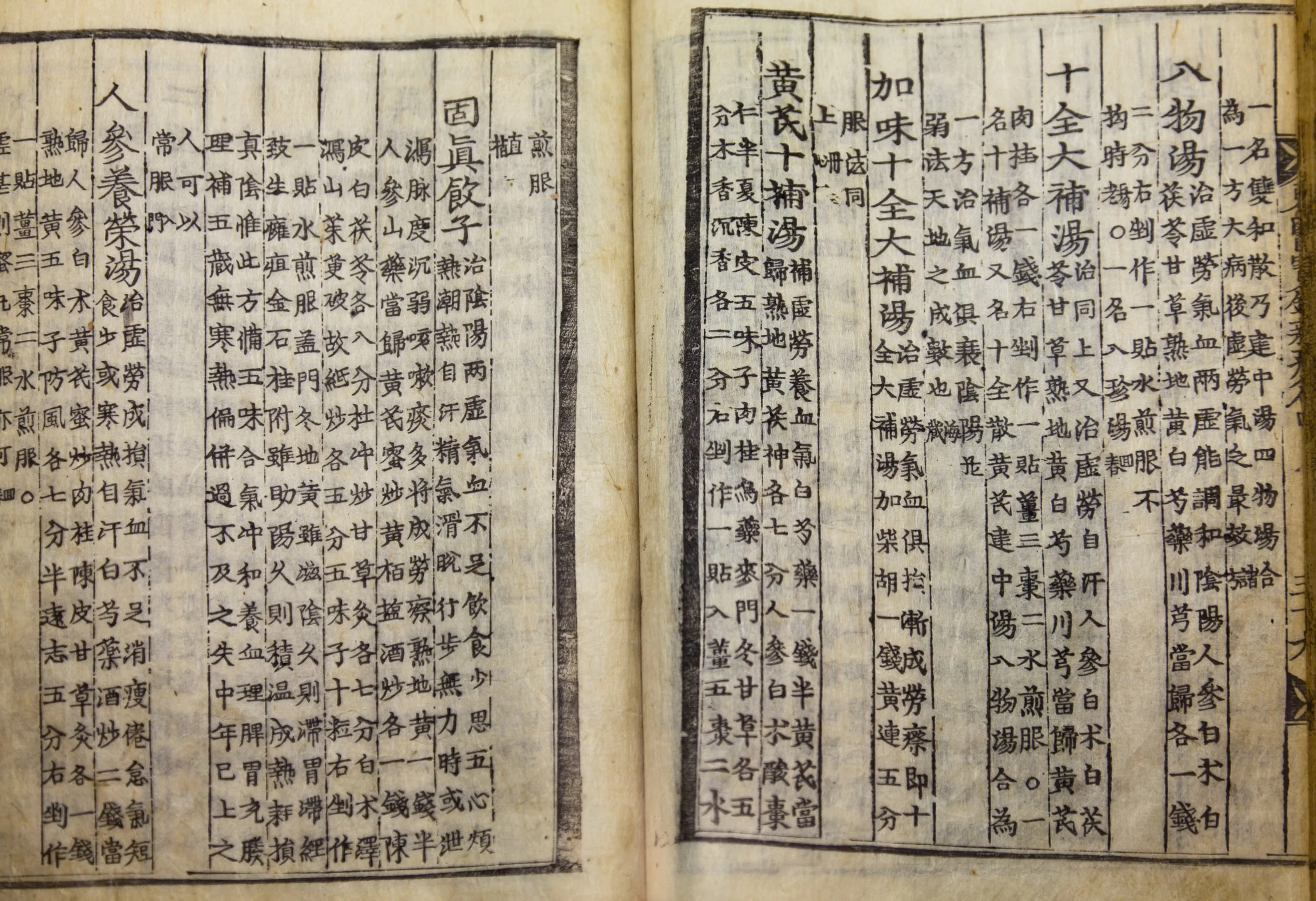
Saam Acupuncture is one of the original therapeutic modalities of traditional Korean medicine. It was developed during the Joseon dynasty — estimated between 1644 and 1742 — by a Korean Buddhist monk whose name has been lost to history. He is known simply as Saam, which means "three암" in Korean, referring to his hermitage.

What makes Saam's origin significant is the context in which it was developed. A Buddhist monastic environment is not simply a place of religious practice — it is a place of deep inquiry into the nature of mind, body, and spirit. Saam developed his acupuncture system within a framework that understood health and disease as inseparable from the inner life of the person. The body was not viewed as a machine with broken parts. It was understood as an integrated whole whose physical symptoms were expressions of deeper patterns.

This philosophical foundation is part of what distinguishes Saam from many other acupuncture systems — and it is why Saam remains remarkably relevant today, particularly for the complex, multi-layered conditions that patients bring to our clinic in Koreatown, Los Angeles.

How Is Saam Different From Regular Acupuncture?

If you have received acupuncture before — in a TCM clinic, a chiropractic office, or a physical therapy setting — you likely experienced needles placed at or near the site of your complaint. Neck pain: needles in the neck. Back pain: needles in the back. Headache: needles in the head and shoulders.

Saam Acupuncture works differently in almost every respect.

Fewer needles. A typical Saam treatment uses between 4 and 8 needles — significantly fewer than most other acupuncture styles, which may use 10 to 20 or more. Less is more in Saam because the selection is precise. Each needle is chosen for a specific reason based on the patient's individual pattern.

Needles on the hands and feet. In Saam Acupuncture, needles are almost always placed on the hands and feet — away from the area of complaint. A patient with chronic low back pain may receive needles only on their hands. A patient with anxiety may receive needles only on their feet. This is counterintuitive to most patients but it is one of Saam's defining characteristics — and one of the reasons it tends to produce such immediate, noticeable effects.

Treats the root, not the branch. In classical East Asian medicine, symptoms are understood as the "branch" — the visible expression of a deeper imbalance. The "root" is the underlying pattern driving those symptoms. Most conventional acupuncture treats the branch — the site of pain, the area of complaint. Saam treats the root — the constitutional pattern beneath the symptoms. This is why Saam often resolves not just the presenting complaint but other symptoms the patient mentioned almost in passing.

Individualized diagnosis. Two patients who both present with the same complaint — say, chronic insomnia — may have completely different Saam treatments. One patient's insomnia may be rooted in heart blood deficiency. Another's may be rooted in kidney yin deficiency. Treating both with the same insomnia protocol would miss the root in both cases. In Saam, the diagnosis determines the treatment — not the symptom.

The Five Shu Points — The Foundation of Saam

To understand how Saam works, it helps to understand the concept of the Five Shu points. In classical acupuncture theory, each of the twelve primary meridians has five special points located between the fingertips or toes and the elbows or knees. These points are named Well, Spring, Stream, River, and Sea — and each corresponds to one of the five elements: wood, fire, earth, metal, and water.

Saam Acupuncture works exclusively through these Five Shu points. By selecting specific combinations of these points — tonifying some, sedating others — the practitioner shifts the energetic relationship between organ systems and restores balance. The logic is elegant and precise: rather than chasing symptoms across the body with local needles, Saam uses a small number of carefully chosen distal points to recalibrate the underlying system.

This is why Saam treatments can seem minimal to patients who are used to being covered in needles — and yet produce results that feel profound.

What Does Saam Treat?

Saam Acupuncture is a complete medical system capable of treating a wide range of conditions. At Raah Acupuncture in Koreatown, Los Angeles, we use Saam as our primary approach for:

Pain and musculoskeletal conditions Back pain, neck pain, shoulder injuries, sciatica, knee pain, whiplash, and post-accident injuries. Saam is particularly effective for pain conditions because it addresses the constitutional pattern driving the pain rather than just blocking the pain signal.

Stress, anxiety, and sleep disorders Generalized anxiety, panic attacks, insomnia, and nervous system dysregulation. Saam's ability to regulate the autonomic nervous system — shifting the body from fight-or-flight into genuine rest — makes it highly effective for these conditions.

Digestive conditions IBS, bloating, acid reflux, constipation, and functional digestive complaints. In Saam, digestive symptoms are understood through the spleen and stomach organ networks, and treatment addresses the underlying pattern rather than just the symptom.

Women's health and fertility Menstrual irregularities, endometriosis, PCOS, fertility support, perimenopause, and hormonal imbalance. Saam's constitutional approach is particularly well-suited to hormonal conditions, which involve complex interplay between multiple organ systems.

Personal injury and workers' compensation Saam is highly effective for the musculoskeletal injuries common in personal injury and workers' compensation cases — whiplash, soft tissue injuries, nerve pain, and post-trauma anxiety. At Raah Acupuncture, we accept personal injury medical liens and MedRisk workers' compensation authorization.

What Happens in a Saam Treatment?

If you come to Raah Acupuncture for a Saam treatment, here is what to expect:

A thorough consultation first. Before any needles are placed, we spend meaningful time understanding your situation. This includes not just your main complaint but your sleep quality, digestion, energy levels, emotional patterns, menstrual cycle (if applicable), and physical tension. In Saam, all of this information is diagnostic — it tells us which organ system pattern is at the root of your condition.

A small number of precisely selected points. Based on your pattern, we select 4 to 8 points — usually on your hands and feet. We explain what we are doing and why.

Rest and release. Once the needles are in place you rest comfortably for 20 to 30 minutes. Most patients notice a significant shift during this period — a slowing of mental activity, a release of physical tension, a sense of calm that can be quite pronounced. Many patients fall asleep on the table.

A shift you can feel. Most Saam patients notice something different after their first treatment — a quality of relaxation or relief that feels distinct from what they've experienced before. For some this is subtle and builds over successive treatments. For others it is immediate and striking.

How Many Treatments Will I Need?

This depends on your condition, how long you have had it, and how your body responds.

For acute conditions — a recent injury, a short-term stress response, or a new onset of symptoms — many patients see meaningful improvement within 3 to 6 sessions. For chronic conditions that have been present for months or years, a longer course of care is typical. In our experience at Raah Acupuncture, most patients with chronic conditions begin to feel stable improvement within 8 to 12 sessions, followed by maintenance treatments to sustain the results.

We give you an honest assessment at your first visit and adjust the plan as we go. Our goal is always to get you to a point where you need us less — not more.

Saam at Raah Acupuncture in Koreatown

At Raah Acupuncture, Saam is our primary specialty. It is the system we have studied most deeply and the one we find produces the most consistent, lasting results for our patients. We also practice Master Tung's Acupuncture, the Balance Method, Traditional Chinese Medicine, and ear acupuncture — drawing from whichever approach best fits your individual presentation.

We are located at 3407 West 6th Street, Suite 702 in Koreatown, Los Angeles — accessible from the 101, 110, and 10 freeways. We serve patients from Koreatown, Mid-Wilshire, Westlake, Silver Lake, Hollywood, Hancock Park, Downtown LA, East LA, and throughout greater Los Angeles.

We accept most major health insurance plans including Cigna, Blue Cross, Blue Shield, Kaiser Permanente, UnitedHealthCare, Health Net, and ASH Network. We also accept personal injury medical liens and workers' compensation authorization including MedRisk.

Frequently Asked Questions About Saam Acupuncture

Is Saam Acupuncture painful? No. Like all acupuncture, Saam uses very fine needles — much finer than injection needles. Most patients feel little to nothing during insertion. Some points produce a mild sensation of warmth or heaviness, which is a normal sign that the point is active. The experience is generally deeply relaxing.

Is Saam Acupuncture the same as Korean acupuncture? Saam is one of several classical Korean acupuncture systems. It is distinct from other Korean methods and has a unique theoretical foundation rooted in the Five Shu point theory of the Nanjing classic. Other Korean acupuncture systems include Taegeuk acupuncture and Koryo hand acupuncture, which are entirely different approaches.

I've tried acupuncture before and it didn't help. Would Saam be different? Possibly. If your previous treatment focused on local points near the site of pain without addressing the underlying constitutional pattern, Saam may produce a different result. We are happy to discuss your history and give you an honest assessment of whether we think Saam can help.

How is Saam different from dry needling? Dry needling uses acupuncture needles to release muscle trigger points — a technique focused on local muscle tissue. It is not acupuncture and is performed by practitioners with as little as a weekend of training. Saam Acupuncture is a complete classical medical system requiring years of graduate-level training. The needle is the same. The practitioner, the diagnosis, and the intent are completely different.

Do you only use Saam at Raah Acupuncture? No. Saam is our primary specialty but we also practice Master Tung's Acupuncture, the Balance Method, Traditional Chinese Medicine, and ear acupuncture. We select the most appropriate approach based on what your condition calls for.

Ready to Experience Saam Acupuncture?

If you are curious about Saam Acupuncture or want to find out whether it is right for your condition, we invite you to schedule a consultation at Raah Acupuncture in Koreatown, Los Angeles.

Call us at 323-422-4964, email contact@raahacupuncture.com, or visit raahacupuncture.com/contact to book your first appointment.

3407 West 6th Street, Suite 702 · Los Angeles, CA 90020 · Koreatown

Raah Acupuncture Inc. is a licensed acupuncture practice in Koreatown, Los Angeles, specializing in Saam Acupuncture, personal injury, and workers' compensation cases. All treatments are performed by licensed acupuncturists (L.Ac.).

Comment

Saam Acupuncture vs. TCM: What Was Lost When Politics Rewrote Classical Medicine
June 14, 2026 Justin Chung

Saam Acupuncture vs. TCM: What Was Lost When Politics Rewrote Classical Medicine

Published by Raah Acupuncture | Koreatown, Los Angeles Category: Saam Acupuncture & Classical Medicine

When most people in the West think of acupuncture, they are thinking of Traditional Chinese Medicine — the standardized system taught in accredited programs, practiced in clinics across the country, and referenced in most research studies on acupuncture. TCM is the version of East Asian medicine the world knows best.

But TCM is not ancient. It was invented in the 1950s.

Understanding how TCM came to exist — and what it replaced — is essential to understanding why systems like Saam Acupuncture, which developed outside the reach of that political project, often produce results that TCM cannot fully replicate.

How TCM Was Born: Politics, Not Tradition

The history of what we now call Traditional Chinese Medicine is inseparable from the history of the Chinese Communist Party.

When Mao Zedong came to power in 1949, China faced a catastrophic healthcare crisis. There were not enough Western-trained doctors to meet China's needs, so Mao mandated that traditional medicine be "rehabilitated" to fill the gap. Committees were formed of Western-trained physicians, with a few traditional doctors as advisors, in order to carve a logical, internally consistent, standardized, homogeneous medical system out of the vast heterogeneous legacy of traditional knowledge. This neat, new system also had to conform to the ideologies of dialectical materialism and modern science.

The result was TCM — a system designed not to preserve the full depth of classical East Asian medicine, but to make it legible, teachable at scale, and ideologically acceptable to a Marxist state.

As a Marxist and anti-traditional iconoclast, Mao from the very beginning had been viewing Chinese medicine as a symbol of feudalism and superstition of the old China, thus needed to be reformed. In 1954, Mao ordered that the old-style Chinese medicine texts be sorted out, systematized and standardized through the writing of textbooks for Chinese education nationwide. This task was carried out in 1956–1960, resulting in a standardized acupuncture with a yin-yang / five elements / twelve Jing-Mai vessels frame.

Establishing TCM institutions in every provincial capital was part of the Communist state-building project. It emphasized China's cultural heritage and celebrated as a distinctively "Chinese science" a rationale that formerly was decried as old-fashioned and superstitious.

In other words, the CCP needed to walk a fine line: preserve enough of traditional medicine to make it politically useful as a symbol of Chinese identity, while stripping out everything that looked like religion, spirituality, or "superstition" — concepts that had no place in a materialist Marxist state.

What was stripped out was enormous.

What Was Lost: The Spiritual and Psychosomatic Foundations

Classical East Asian medicine — the tradition that existed before the Communist standardization project — was rooted in an understanding of the human being as an integrated body-mind-spirit complex. The classical texts, including the Huangdi Neijing (Yellow Emperor's Classic) and the Nanjing (Classic of Difficulties), describe the organ systems not merely as physical structures but as psycho-spiritual entities. The Heart houses the Shen — the spirit, consciousness, and emotional life. The Liver governs the smooth flow of emotions as well as physical qi. The Kidneys hold the Zhi — the will, the constitutional vitality, the connection to ancestral essence.

This was not metaphor. Classical practitioners understood that emotional states directly cause physical disease, that spiritual disturbance manifests in the body, and that physical treatment could heal the mind. The psychosomatic relationship was not a secondary consideration — it was central to the entire diagnostic and treatment framework.

The globalization of Chinese medicine has led to a further materialization of what were once scholarly medical currents. Some practitioners claim to provide classical and more authentic Chinese medical treatment, unadulterated by Mao's Communist project.

The standardized TCM that emerged from the 1950s committees retained the language of qi, yin and yang, and the five elements — but reinterpreted these concepts in materialist terms wherever possible. Qi became something closer to bioelectric energy or nerve signaling. The spirit of the organs was quietly dropped or reframed as metaphor. The rich psychosomatic diagnostic framework of classical medicine — in which a practitioner would assess a patient's emotional state, their dreams, their fears, and their relationship to their own life history as central diagnostic data — was simplified into symptom checklists and standardized protocols.

This was not an accident. It was a deliberate political decision. What we now know as TCM was the work product of committees that were hardly representative of the ancient pluralistic medical traditions of China.

Korean Medicine: Preserved Outside the Political Reach

Korea's medical tradition developed in parallel with China's for centuries, drawing from the same classical texts but evolving independently within a different cultural and philosophical context. Crucially, Korea was not subject to the Communist standardization project that transformed Chinese medicine in the 1950s. Korean classical medicine — including the Saam tradition — was never filtered through the ideological requirements of dialectical materialism.

This matters enormously.

Saam acupuncture is one of the original therapeutic modalities representing traditional Korean medicine. It was originally described in a manuscript estimated to be published between 1644 and 1742, during the middle of the Joseon dynasty, by a Korean Buddhist monk whose name is unknown.

The monk known as Saam developed his system within a monastic Buddhist context — a context in which the relationship between mind, body, and spirit was not a philosophical abstraction but a lived daily reality. Saam developed this acupuncture technique based on the philosophy that mental health can manifest in physical form. The mind-body connection was present in Chinese Medicine 2000 years ago and in Korea 500 years ago.

Saam acupuncture is a self-contained system based on familiar classical Chinese principles put together in a unique way by a 17th century Korean Mahayana monk. It draws from the Nanjing, the Neijing, and the theory of the Five Shu points — but applies them through a distinctly Korean lens that never underwent the materialist reinterpretation that TCM did.

The psychosomatic relationship that was quietly removed from standardized TCM remains fully intact in Saam. When a Saam practitioner asks about your emotional life, your fears, your dreams, and your relationship to your own history, these are not supplementary questions. They are diagnostic essentials.

Materialism vs. Spiritualism: What This Means in Practice

The difference between TCM and Saam is not simply a matter of technique or point selection. It is a difference in how the human being is understood.

TCM's materialist framework asks: what are the physical symptoms? Which organs are involved? What is the pattern of excess or deficiency? Treatment is directed at correcting measurable functional imbalances, often using standardized protocols for named conditions.

Saam's integrated framework asks: who is this person? What is the relationship between their emotional life and their physical condition? What is the constitutional pattern underlying all of their symptoms? Treatment is directed at the root — the deepest level of imbalance — which may have little to do with where the symptoms are located.

In practical terms this means that two patients who both present with chronic back pain may receive completely different Saam treatments based on their individual pattern — their emotional constitution, their relationship to stress, their sleep, their digestion, the quality of their pulse. One patient's back pain may be rooted in Kidney deficiency connected to fear and exhaustion. Another's may be rooted in Liver qi stagnation connected to suppressed anger and frustration. Treating both with the same back pain protocol — as TCM's standardized approach often does — misses the root in both cases.

From a neurophysiological perspective, Saam acupuncture has the advantage of increasing parasympathetic nerve activation and adjusting the balance of the autonomic nervous system. Modern research is beginning to confirm what classical practitioners understood intuitively: that the nervous system — the interface between mind and body — is the primary mechanism through which Saam produces its effects. This is precisely why Saam is so effective for conditions that sit at the mind-body boundary: anxiety, insomnia, chronic pain with an emotional component, trauma-related symptoms, and conditions that have not responded to purely physical treatments.

Why This Matters for Your Care

If you have received TCM acupuncture and experienced good but short-lived results — or found that treatment addressed your physical symptoms but didn't touch the deeper pattern — this history may help explain why.

TCM is not without value. It is a coherent, functional system that has helped millions of people. But it is not the whole of what classical East Asian medicine has to offer. It is a standardized, politically filtered version of a much richer tradition — one that had its spiritual and psychosomatic dimensions deliberately removed to make it acceptable to a materialist state and a Western scientific audience.

Saam Acupuncture represents a lineage that was never subjected to that filtering. It carries the full depth of the classical framework, including the understanding that the human being is not simply a physical body with mechanical symptoms, but an integrated mind-body-spirit whole whose healing requires treatment at all three levels.

At Raah Acupuncture in Koreatown, Los Angeles, Saam is one of our primary treatment methods — practiced alongside Master Tung's Acupuncture, the Balance Method, Traditional Chinese Medicine, and ear acupuncture. We use whichever approach best fits what you are dealing with. But for patients whose conditions have a significant emotional, constitutional, or psychosomatic dimension, Saam is often where the deepest and most lasting results are found.

References

  • Taylor, K. (2005). Chinese Medicine in Early Communist China, 1945–1963. RoutledgeCurzon.

  • Park, M. & Kim, S. (2015). A Modern Clinical Approach of the Traditional Korean Saam Acupuncture. Evidence-Based Complementary and Alternative Medicine, 2015, 703439. doi:10.1155/2015/703439. PubMed PMC4619944.

  • Scheid, V. & MacPherson, H. (Eds.). (2012). Integrating East Asian Medicine into Contemporary Healthcare. Churchill Livingstone.

  • Daly, T. (2018). The Classical Roots and Clinical Application of the Saam Acupuncture Tradition. Journal of Chinese Medicine, 116.

  • Cheng, J. (2021). Chinese Medicine in China of the 1950s: How History Was Reversed by a Superpower Man. LinkedIn Pulse.

  • Wang, J., Guo, Y. & Li, G.L. (2016). Current Status of Standardization of Traditional Chinese Medicine in China. Evidence-Based Complementary and Alternative Medicine, 2016, 9123103. doi:10.1155/2016/9123103. PubMed PMC4826698.

About Raah Acupuncture

Raah Acupuncture is located at 3407 West 6th Street, Suite 702, Los Angeles, CA 90020 in Koreatown. We specialize in Saam Acupuncture, Master Tung's Acupuncture, the Balance Method, Traditional Chinese Medicine, and ear acupuncture. We accept personal injury medical liens, workers' compensation authorization including MedRisk, and most major health insurance plans.

📞 323-422-4964 | contact@raahacupuncture.com | raahacupuncture.com

This post is for educational purposes. The historical account of TCM's political standardization draws from peer-reviewed academic sources and published scholarly works cited above.

Comment

Can acupuncture help with anxiety?

June 14, 2026 Justin Chung

Can acupuncture help with anxiety? What the research says and what to expect

Published by Raah Acupuncture | Koreatown, Los Angeles Category: Stress & Anxiety

Anxiety is one of the most common reasons people seek acupuncture — and one of the conditions where it tends to produce the most noticeable, lasting results. If you've been dealing with chronic worry, racing thoughts, a tight chest, or a nervous system that never seems to fully settle, you're not alone. And if you've been looking for something beyond medication or talk therapy, acupuncture may be worth understanding more deeply.

This post covers what the research says, how acupuncture actually works for anxiety, what to expect from treatment, and what makes the approach at Raah Acupuncture different.

What is anxiety, from an acupuncture perspective?

Western medicine defines anxiety primarily as a mental health condition — a disorder of the brain's fear and stress response systems. Treatment typically involves medication (SSRIs, benzodiazepines) and psychotherapy (CBT, exposure therapy). These approaches are effective for many people, but they don't work for everyone, and many patients are looking for options that address the physical dimension of anxiety — the body that won't relax, the sleep that won't come, the tension that won't release.

Traditional Chinese Medicine and the classical Korean systems we practice at Raah Acupuncture view anxiety differently. Rather than treating it as a condition of the mind alone, they see it as a pattern of imbalance that involves the whole person — the heart, the liver, the kidney system, the nervous system, and the relationship between them.

In Saam Acupuncture, the system we specialize in, anxiety is understood as a disruption in the flow of qi — the body's vital energy — through specific organ networks. Depending on your particular pattern, that disruption might involve excess heat in the heart channel, stagnation in the liver, deficiency in the kidney, or some combination of these. The treatment is chosen based on your individual pattern, not a generic anxiety protocol.

This is why two people with anxiety may receive completely different treatments at Raah Acupuncture — and both improve.

What does the research say?

The evidence base for acupuncture and anxiety has grown substantially over the past two decades. Here is what the research currently shows:

Acupuncture reduces anxiety symptoms. Multiple systematic reviews and meta-analyses have found that acupuncture produces meaningful reductions in anxiety scores compared to placebo controls and, in some studies, compared to medication. A 2018 review published in the Journal of Acupuncture and Meridian Studies found significant anxiety-reducing effects across a range of anxiety presentations.

Acupuncture affects the nervous system directly. Research using brain imaging has shown that acupuncture modulates activity in the amygdala — the brain's primary fear-processing center — and in the prefrontal cortex, which regulates emotional responses. This is not a placebo effect. Acupuncture needling produces measurable neurological changes that correspond to reduced anxiety and improved emotional regulation.

Acupuncture lowers cortisol. Several studies have found that acupuncture reduces serum cortisol — the primary stress hormone — following treatment. Lower cortisol levels correspond to reduced physiological stress and improved capacity to handle daily pressures without tipping into anxiety.

Acupuncture improves sleep in anxious patients. Because anxiety and sleep disruption are closely linked — each making the other worse — acupuncture's ability to address both simultaneously is clinically significant. Studies consistently show that anxious patients who receive acupuncture report improvements in sleep quality alongside reductions in anxiety.

Acupuncture is well-tolerated with few side effects. Unlike many anxiolytic medications, acupuncture does not cause dependence, cognitive blunting, or withdrawal effects. Most patients find the sessions themselves deeply relaxing — many fall asleep on the table.

It is worth noting that most research on acupuncture uses standardized point protocols, while classical systems like Saam use individualized treatment selection. Many practitioners believe the individualized approach produces stronger results than what research studies — which require standardization — are able to capture.

What types of anxiety does acupuncture help with?

Acupuncture is not specific to one type of anxiety. Patients at Raah Acupuncture come in with a range of presentations, including:

Generalized anxiety disorder (GAD) Persistent, diffuse worry that moves from one concern to the next. Difficulty relaxing even when circumstances are calm. Often accompanied by muscle tension, fatigue, and difficulty concentrating.

Stress-related anxiety Anxiety that is clearly linked to life circumstances — work pressure, relationship difficulties, financial stress, major life transitions. This type often responds quickly to acupuncture because the underlying pattern is reactive rather than deeply rooted.

Anxiety with insomnia Many patients come in primarily for sleep problems but describe an anxious, racing mind at night. Treating the anxiety and sleep disruption together produces faster results than addressing either alone.

Post-accident or post-trauma anxiety Following a car accident, medical event, or other traumatic experience, the nervous system can remain in a state of hyperarousal long after the danger has passed. This shows up as startle responses, hypervigilance, difficulty sleeping, and pervasive unease. Acupuncture is particularly effective for resetting a nervous system stuck in fight-or-flight.

Anxiety alongside physical symptoms Many patients experience anxiety as much in the body as in the mind — a tight chest, a clenched jaw, a churning stomach, shallow breathing. Acupuncture addresses these somatic expressions of anxiety directly, which often provides relief that purely psychological approaches cannot.

How Saam Acupuncture approaches anxiety

At Raah Acupuncture, our primary method for treating anxiety is Saam Acupuncture — a classical Korean system developed in the 17th century that works by identifying and correcting the underlying energetic imbalance driving your symptoms.

Rather than using a standard anxiety protocol, we begin by understanding your specific pattern. We ask about your sleep, your digestion, your energy levels, the quality of your worry (is it constant background noise, or does it spike in waves?), what makes it better or worse, and how it manifests physically in your body. All of this gives us the information we need to select the precise points that will shift your particular pattern.

Treatment typically uses a small number of needles — often 4 to 8 — placed on the hands and feet rather than directly on the chest or head. The sensation is minimal, and most patients notice a shift toward calm during the session itself.

We also draw on ear acupuncture (auricular therapy) for anxiety when appropriate. The ear contains a dense map of reflex points corresponding to the nervous system and internal organs, and specific auricular points have a strong regulatory effect on the stress response. In some cases, small seeds or pellets are placed on ear points between sessions so you can stimulate them at home during moments of heightened anxiety.

What to expect from your first visit

Your first appointment at Raah Acupuncture is approximately 60 to 75 minutes. Here is how it typically unfolds:

Intake and consultation. We spend meaningful time at the start of your first visit understanding your situation — not just your anxiety symptoms, but your full health picture. Sleep, digestion, energy, menstrual cycle (if applicable), emotional patterns, and physical tension all inform our diagnosis.

Treatment. Based on what we find, we select a personalized set of acupuncture points. Needles are placed gently — most patients barely notice them — and you rest for 20 to 30 minutes while the treatment takes effect.

The session itself. Most anxiety patients find the treatment deeply relaxing. It is common to fall asleep on the table. Some patients notice a sense of heaviness or warmth in the body, a slowing of mental chatter, or a feeling of emotional release during the session.

After the session. You may feel calm and slightly tired afterward. This is normal and typically resolves within a few hours. Some patients feel the effects immediately and strongly; for others the shift is more gradual and builds over successive treatments.

How many sessions will I need?

This depends on how long you've been experiencing anxiety, how severe it is, and how your body responds to treatment.

For situational or stress-related anxiety, many patients feel significant improvement within 4 to 6 sessions. For chronic anxiety that has been present for years, a longer course of care is typical — often 8 to 12 sessions to establish a stable shift, followed by monthly maintenance treatments.

We give you an honest assessment at your first visit and adjust the treatment plan based on how you're responding. The goal is always to get you to a place where you need acupuncture less, not more.

Can acupuncture work alongside medication or therapy?

Yes — and it often works better when combined. Acupuncture is not a replacement for medication or psychotherapy when those are appropriate. It is a complementary tool that addresses dimensions of anxiety — nervous system regulation, somatic tension, sleep, and the physical body — that medication and therapy alone may not fully reach.

Many patients come to us while on SSRIs or in active therapy, and find that acupuncture accelerates their progress or allows them to reduce their medication over time in consultation with their prescribing physician.

We do not advise patients to stop or reduce medications without physician guidance. What we do is treat you as a whole person and support your nervous system's natural capacity to regulate itself.

Frequently asked questions

How quickly will I feel results from acupuncture for anxiety? Many patients notice a shift in their anxiety level after the first or second session. For some this is subtle — a feeling of being slightly more grounded or sleeping a bit better. For others it is more immediate and pronounced. The effects typically deepen and stabilize over a course of treatment.

Is acupuncture safe if I am taking medication for anxiety? Yes. Acupuncture does not interact with medication. It can be used safely alongside SSRIs, SNRIs, benzodiazepines, and other psychiatric medications.

What if I am nervous about needles? This is extremely common, especially for patients coming in for anxiety. Acupuncture needles are nothing like injection needles — they are as fine as a strand of hair. Most patients are surprised by how little they feel. We work at your pace and will always explain what we're doing before we do it.

Do you treat anxiety related to a car accident or injury? Yes. Post-trauma anxiety following a car accident is one of the most common presentations we see, and it responds very well to Saam Acupuncture. If your anxiety is related to a personal injury case, we accept medical liens — no upfront cost to you.

Where are you located? Raah Acupuncture is located at 3407 West 6th Street, Suite 702, Los Angeles, CA 90020 in Koreatown. We serve patients from throughout greater Los Angeles including Mid-Wilshire, Westlake, Silver Lake, Hollywood, Downtown LA, Hancock Park, and East LA.

Ready to get started?

If anxiety is affecting your sleep, your relationships, your work, or your ability to feel at ease in your own body, acupuncture may offer the kind of relief you've been looking for.

Call us at 323-422-4964, email contact@raahacupuncture.com, or visit raahacupuncture.com/contact to schedule a consultation.

We are located at 3407 West 6th Street, Suite 702, Los Angeles, CA 90020 in Koreatown.

Raah Acupuncture Inc. is a licensed acupuncture practice in Koreatown, Los Angeles, specializing in Saam Acupuncture, stress and anxiety, personal injury, and workers' compensation cases. All treatments are performed by licensed acupuncturists (L.Ac.). This post is for informational purposes and does not constitute medical advice. If you are experiencing a mental health crisis, please contact a qualified mental health professional or call 988.

Comment

Acupuncture After a Car Accident in Los Angeles | Raah Acupuncture

June 14, 2026 Justin Chung

Acupuncture after a car accident in Los Angeles: what you need to know

Published by Raah Acupuncture | Koreatown, Los Angeles Category: Personal Injury

If you've been in a car accident in Los Angeles, you're probably dealing with more than just a damaged car. Whiplash, back pain, headaches, muscle spasms, and lingering nerve pain are among the most common complaints after an auto accident — and they don't always show up immediately. Sometimes the pain builds over days or even weeks after the impact.

Acupuncture is one of the most effective treatments for post-accident injuries, and in Los Angeles, it is covered under personal injury medical liens — meaning you can begin treatment right away without paying anything out of pocket.

Here is what you need to know.

Why car accident injuries are different from ordinary pain

The forces involved in a car accident — even a low-speed rear-end collision — are significant. Your body absorbs impact in ways it was never designed for, and the result is often a complex pattern of injuries that affects muscles, tendons, joints, nerves, and the nervous system simultaneously.

This is why many accident victims find that standard treatments only partially help. Pain medication manages symptoms but does not address tissue damage. Physical therapy helps with strength and mobility but may not resolve nerve pain or deep muscle tension. And the stress response triggered by the accident itself — the shock, the adrenaline, the anxiety — can keep the body in a guarded, contracted state that makes healing harder.

Acupuncture addresses all of these layers. It reduces inflammation, releases muscular tension, calms the nervous system, and supports the body's own repair processes — making it a uniquely well-suited treatment for the multi-layered injuries that follow a car accident.

Common injuries acupuncture treats after a car accident

Whiplash and cervical strain Whiplash is the most common auto accident injury. The sudden back-and-forth motion of the neck damages muscles, tendons, and ligaments in the cervical spine. Symptoms include neck pain, stiffness, headaches, and sometimes dizziness or difficulty concentrating. Acupuncture is highly effective for reducing cervical inflammation and restoring range of motion.

Low back pain and lumbar injuries The lumbar spine absorbs significant force in a collision, particularly in rear-end and side-impact accidents. Disc injuries, muscle strain, and sacroiliac joint dysfunction are common. Acupuncture reduces pain and muscle guarding, and supports tissue healing in the lumbar region.

Soft tissue injuries Muscle tears, ligament sprains, and tendon injuries throughout the body respond well to acupuncture. Treatment reduces inflammation at the site of injury and promotes circulation to support repair.

Headaches and migraines Post-trauma headaches are extremely common after car accidents, even those that do not involve direct head contact. They are often driven by cervical tension, nervous system disruption, or mild traumatic brain injury. Acupuncture addresses the underlying drivers of post-accident headaches rather than just masking the pain.

Nerve pain and radiating symptoms Shooting pain, numbness, or tingling down the arms or legs following an accident may indicate nerve compression or irritation from disc involvement or soft tissue swelling. Acupuncture can reduce the inflammation pressing on nerves and help restore normal nerve function.

Anxiety, sleep disruption, and stress Car accidents are traumatic events. Many patients experience heightened anxiety, difficulty sleeping, or hypervigilance in the weeks following a collision — even when the physical injuries seem minor. The nervous system remains in a state of alert long after the danger has passed. Acupuncture is one of the most effective tools for resetting the nervous system and supporting recovery from the psychological aftermath of an accident.

How acupuncture works for accident injuries

At Raah Acupuncture, we primarily use Saam Acupuncture — a classical Korean system that treats the underlying cause of your condition, not just the site of pain. Rather than placing needles directly at the area of injury, Saam selects precise points — typically on the hands and feet — that shift the body's internal balance and support healing from the inside out.

We also draw on Master Tung's Acupuncture, the Balance Method, and Traditional Chinese Medicine depending on what your injuries call for. Each treatment is tailored to you specifically — your pattern of injury, your current symptoms, and how your body is responding.

What this means in practice is that your treatment at Raah Acupuncture will not look the same as someone else's, even if you were in the same accident. We treat the person, not the diagnosis.

No upfront cost: how medical liens work in Los Angeles

One of the biggest barriers accident victims face is not knowing how to pay for treatment while their case is pending. Medical bills pile up, the insurance company is slow to respond, and the idea of paying out of pocket for ongoing acupuncture feels overwhelming.

In California, personal injury patients have access to medical liens — a straightforward arrangement that removes this barrier entirely.

Here is how it works:

You receive treatment now. You do not pay anything upfront. There is no co-pay, no deposit, and no bill while your case is active.

We bill your settlement. Raah Acupuncture enters into a lien agreement with you and your attorney. Our fees are paid directly from your settlement or judgment when your case resolves.

Your attorney coordinates everything. Your personal injury attorney handles the lien on their end. You simply come in for treatment and focus on getting better.

This arrangement means there is no financial reason to delay care. In fact, beginning treatment promptly after an accident is important — both for your recovery and for your case. A consistent treatment record that begins close to the date of injury is stronger documentation than one that starts weeks later.

What to bring to your first appointment

If you are coming in as a personal injury patient, bring the following to your first visit:

  • Your attorney's name and contact information

  • Your claim or case number if you have one

  • A brief description of the accident — date, type of collision, any immediate symptoms

  • Any imaging reports you have (X-ray, MRI) — though these are not required for your first visit

If you do not yet have an attorney, we can still begin your evaluation and discuss your options.

How many visits will I need?

The number of acupuncture visits depends on the nature and severity of your injuries, how quickly your body responds to treatment, and how long you have been experiencing symptoms.

For acute post-accident injuries treated promptly, many patients see meaningful improvement within 6 to 10 sessions. More significant injuries — disc involvement, chronic pain patterns that have set in, or complex multi-site injuries — may require a longer course of care.

We establish a clear treatment plan at your first visit and re-evaluate regularly. We also provide your attorney with documentation of your treatment progress, which supports your case throughout.

Why Koreatown is a convenient location for LA accident patients

Raah Acupuncture is located at 3407 West 6th Street, Suite 702 in Koreatown — central to Los Angeles and easily accessible from the 101, 110, and 10 freeways. We see patients from across the city, including Mid-Wilshire, Westlake, Downtown LA, Silver Lake, Echo Park, Hollywood, Hancock Park, East LA, and beyond.

If you were in an accident anywhere in greater Los Angeles, getting to our office is straightforward from most parts of the city.

Frequently asked questions

Can I get acupuncture if my car accident case is still open? Yes — in fact, this is the most common situation. You begin treatment on a medical lien while your case is pending, and we are paid from your settlement. You do not need to wait for your case to resolve to begin care.

Do I need a referral from a doctor to see an acupuncturist after an accident? No. You can come directly to Raah Acupuncture. We will perform a full evaluation at your first visit and coordinate with your attorney.

Will acupuncture records help my personal injury case? Yes. Consistent, well-documented clinical records establish the nature of your injuries, the impact on your daily life, and your treatment history — all of which are important to your attorney in building your case. We provide SOAP notes for every visit and narrative reports at the close of treatment.

How soon after my accident should I start acupuncture? As soon as possible. Beginning treatment close to the date of injury supports faster recovery and creates a clearer record of causation between the accident and your injuries.

What if I don't have an attorney yet? Come in for your evaluation. We can discuss your situation and, if appropriate, provide a referral to personal injury attorneys we work with in the Los Angeles area.

Ready to begin?

If you were injured in a car accident in Los Angeles, Raah Acupuncture is here to help. We accept personal injury medical liens, provide thorough clinical documentation, and offer Saam Acupuncture and other classical methods that are highly effective for the injuries that follow a collision.

Call us at 323-422-4964, email contact@raahacupuncture.com, or visit raahacupuncture.com/contact to schedule your first appointment.

We are located at 3407 West 6th Street, Suite 702, Los Angeles, CA 90020.

Raah Acupuncture Inc. is a licensed acupuncture practice in Koreatown, Los Angeles, specializing in Saam Acupuncture, personal injury, and workers' compensation cases. All treatments are performed by licensed acupuncturists (L.Ac.).

Comment
← Newer Posts Older Posts →
 

Raah Acupuncture Inc.
3407 W 6th St, Suite 702
Los Angeles, CA 90020
(323) 422-4964

Book an Appointment
Herbal Formula Reference
Blog

Eui Young Chung, L.Ac., Dipl. O.M.
Acupuncture · Herbal Medicine · Koreatown, LA